
Is Your Lake Losing Its Charm? The Power of Lake Dredge Explained
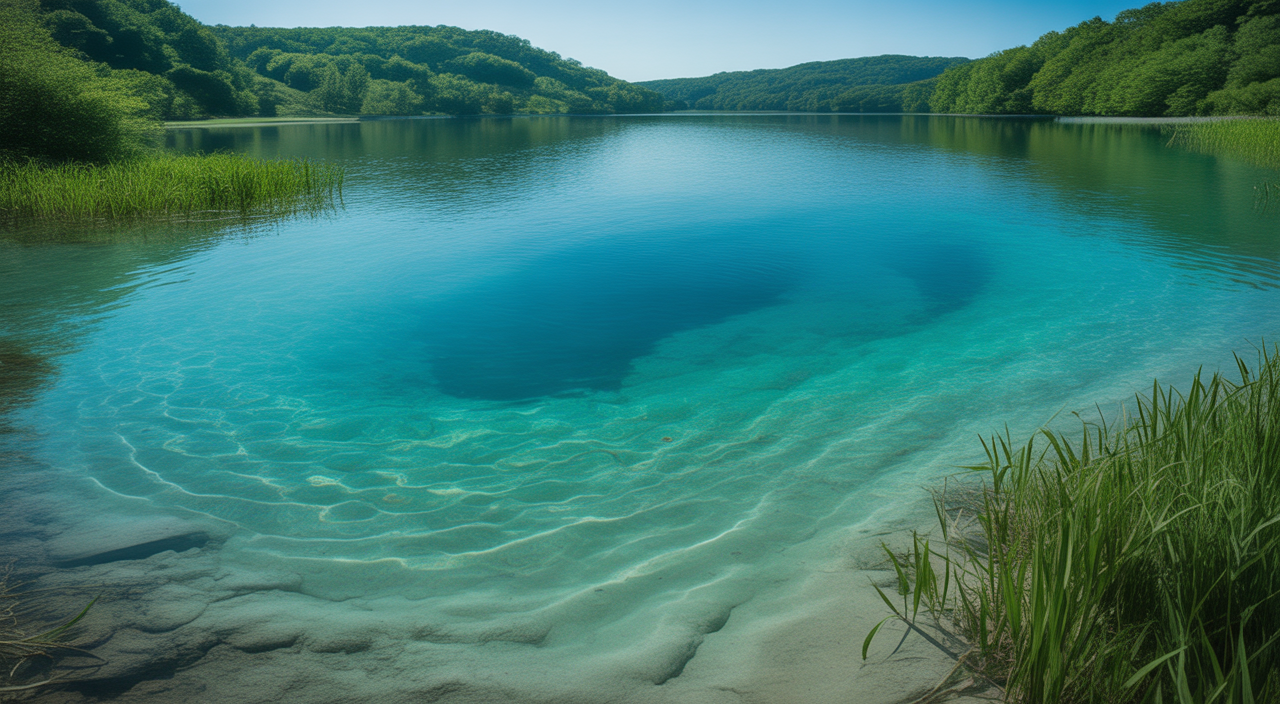
Do you remember when your lake or pond was clear and deep? Over time, many beautiful water bodies start to change. They can become shallower, murkier, and filled with unwanted plants. This often happens due to something called sedimentation.
Sedimentation is when loose materials like sand, silt, and decaying organic matter settle at the bottom of a lake. This process slowly fills up the water body, reducing its depth and impacting its overall health. If you’re noticing these changes, you might be wondering about solutions. One very effective way to restore a lake’s health is through lake dredge. It involves carefully removing these accumulated sediments from the lakebed.

This comprehensive guide will help you understand what lake dredging is, why it’s so important, and how it can bring your cherished lake back to life. You’ll learn about the signs that your lake needs help, the different methods used, and the many benefits it offers.
Why Your Lake Needs Dredging: Signs It’s Time for Intervention
Lakes are dynamic ecosystems. But natural processes and human activities can cause them to degrade. Here are some clear signs that your lake might be ready for a professional intervention like dredging:
- Reduced Water Depth: This is often the most obvious sign. If boats are scraping the bottom, or favorite swimming spots are now too shallow, sediment buildup is likely the cause.
- Poor Water Quality: Is the water murky, cloudy, or discolored? Excessive sediment can release nutrients, leading to poor water quality. It makes the water less clear and less inviting.
- Lots of Weeds and Algae: A thick layer of nutrient-rich sediment on the bottom acts like fertilizer. It encourages the rapid growth of aquatic weeds and algae. This can choke out native plants and make the lake unpleasant.
- Foul Odors: As organic matter decays in the sediment, it can produce gases that smell bad. These odors can make spending time near the lake less enjoyable.
- Decreased Recreational Value: When a lake becomes shallow or overgrown, activities like fishing, swimming, and boating become difficult or impossible. This lowers its value for recreation.
- Environmental Degradation: Sediment buildup can harm fish populations and other aquatic life. It covers their spawning grounds and reduces the amount of oxygen in the water. This damages the entire aquatic ecosystem.
- Property Value Decline: A healthy, beautiful lake can significantly increase property values. A degraded, shallow lake can have the opposite effect, reducing its appeal and worth.
What is Lake Dredge? Understanding the Process
At its core, lake dredging is the process of removing unwanted sediment, silt, mud, and debris from the bottom of a lake or reservoir. This isn’t just about digging out material. It’s a carefully planned project aimed at restoring the water body’s original depth, improving water quality, and enhancing its ecological balance.
The process usually starts with a detailed assessment. Experts perform bathymetric surveys to map the lakebed and identify areas of heavy sedimentation. They also take sediment samples to understand the type of material that needs to be removed. This initial phase is crucial for planning the most effective and environmentally sound dredging strategy. It helps ensure that the project is done safely and efficiently.
How Lake Dredging Works: Methods & Technologies
There are two main methods for lake dredging, each suited to different conditions and project goals:
1. Hydraulic Dredging: The Precision Approach
Hydraulic dredging uses a specialized machine called a hydraulic dredge. This equipment typically floats on the water. It uses a powerful pump to suck up a mixture of water and sediment from the lakebed through a long pipe. This slurry is then pumped to a remote disposal or dewatering site.
Benefits of Hydraulic Dredging:
- Minimal Turbidity: This method creates less disturbance in the water, which helps protect water quality during the process.
- Efficient for Soft Sediments: It’s highly effective at removing loose, fine-grained materials like silt and mud.
- Less Disruptive to Shorelines: Since the equipment operates from the water, it causes less disturbance to the surrounding banks and landscape.
- Remote Disposal: Sediment can be transported over long distances through pipelines, allowing for flexible disposal options.
Modern dredging equipment, including hydraulic dredges, are designed for precision and minimal environmental impact. For projects requiring efficient sediment removal, exploring dredging solutions can make a big difference.
2. Mechanical Dredging: The Heavy-Duty Option
Mechanical dredging uses excavation equipment like cranes, excavators, or backhoes mounted on barges. These machines use a bucket or clamshell attachment to scoop up sediment from the lakebed. The excavated material is then loaded onto other barges or trucks for transport and disposal.
Benefits of Mechanical Dredging:
- Good for Coarse Material: This method is ideal for removing heavier sediments, rocks, debris, or compacted materials.
- Effective for Smaller Projects: It can be a good choice for smaller, localized dredging needs or areas with difficult access.
Drawbacks: Mechanical dredging can sometimes cause more turbidity in the water and may require more staging area on land. This can be more disruptive to the immediate environment.
Choosing the Right Method
The best dredging method depends on several factors: the type of sediment, the size of the project, environmental concerns, budget, and site access. A professional dredging company will assess these factors to recommend the most suitable and effective approach for your lake.
The Benefits of Professional Lake Dredge: More Than Just Depth
Investing in professional lake dredging brings a wide array of benefits that go far beyond simply making your lake deeper:
- Enhanced Water Quality and Clarity: By removing nutrient-rich sediment, dredging significantly reduces the food source for algae and aquatic weeds. This leads to clearer water and fewer foul odors.
- Restored Lake Depth and Volume: This is the primary goal. It allows for full enjoyment of recreational activities and restores the lake’s original capacity.
- Improved Aquatic Habitat: Deeper, clearer water with a healthy bottom provides better living conditions for fish and other wildlife. It helps restore a balanced aquatic ecosystem.
- Increased Recreational Opportunities: With restored depth and less vegetation, activities like boating, fishing, swimming, and kayaking become much more enjoyable and accessible.
- Elevated Property Values: A healthy, attractive lake is a significant asset. Dredging can enhance the aesthetic appeal and functionality of waterfront properties, leading to increased real estate value.
- Flood Control and Water Management: For reservoirs or storm retention ponds, dredging increases water storage capacity. This is crucial for managing water levels and preventing flooding, especially during heavy rains.
These benefits highlight why lake restoration projects are so vital for both environmental health and human enjoyment.
Environmental Considerations & Regulatory Compliance
Any dredging project must be done with careful consideration for the environment. Professional dredging companies prioritize minimizing environmental impact.
Key considerations include:
- Minimizing Environmental Impact: Techniques like silt curtains and careful operation prevent excess sediment from spreading during dredging. This protects sensitive areas and wildlife.
- Permitting and Regulations: Lake dredging projects often require permits from local, state, and federal environmental agencies. These regulations ensure that the work is done responsibly and safely. A reputable dredging company will help navigate these complex requirements.
- Responsible Sediment Disposal: The removed sediment needs to be managed properly. Depending on its composition, it might be dewatered and used as beneficial fill material. It could also be disposed of in a licensed facility. Proper planning is essential to handle this aspect environmentally soundly.
Understanding the environmental impact and regulatory landscape is a critical part of a successful dredging project.
Choosing the Right Lake Dredging Partner: What to Look For
Selecting the right partner for your lake dredging project is crucial for a successful outcome. Here’s what to prioritize:
- Experience and Expertise: Look for a company with a proven track record in lake and reservoir dredging. Their experience in different types of projects matters.
- Advanced Equipment and Technology: Ensure they use modern, well-maintained equipment suitable for your specific needs.
- Safety and Environmental Record: A commitment to safety for workers and minimal environmental impact is paramount. Ask about their environmental protocols.
- Customized Solutions: Every lake is unique. Your chosen partner should offer tailored solutions, not a one-size-fits-all approach.
- Clear Communication: A good company will keep you informed throughout the process, from initial assessment to project completion.
Common Questions About Lake Dredging (FAQs)
Q1: How much does lake dredging cost?
The cost of lake dredging varies greatly. It depends on several factors, including the size and depth of the lake, the volume and type of sediment, the chosen dredging method, sediment disposal requirements, site access, and permitting fees. A detailed site assessment is needed to provide an accurate estimate.
Q2: How long does a lake dredging project take?
Project duration is also highly variable. Smaller, less complex projects might take a few weeks. Larger lakes with significant sediment buildup and extensive disposal needs could take several months. The timeline will be estimated after the initial assessment and planning phases.
A Healthier Lake Awaits
A professional lake dredge is a powerful and proven method for restoring the health, beauty, and functionality of degraded water bodies. From improving water quality and increasing depth to enhancing recreational opportunities and supporting aquatic life, the benefits are clear and long-lasting.
If your lake is showing signs of degradation, don’t wait. Taking action now can prevent further issues and ensure your lake remains a vibrant natural asset for years to come. By partnering with experienced professionals, you can ensure your lake dredge project is handled efficiently, safely, and with the utmost care for the environment. Contact experts today for a consultation and discover how tailored dredging solutions can restore your water body to its full potential.