
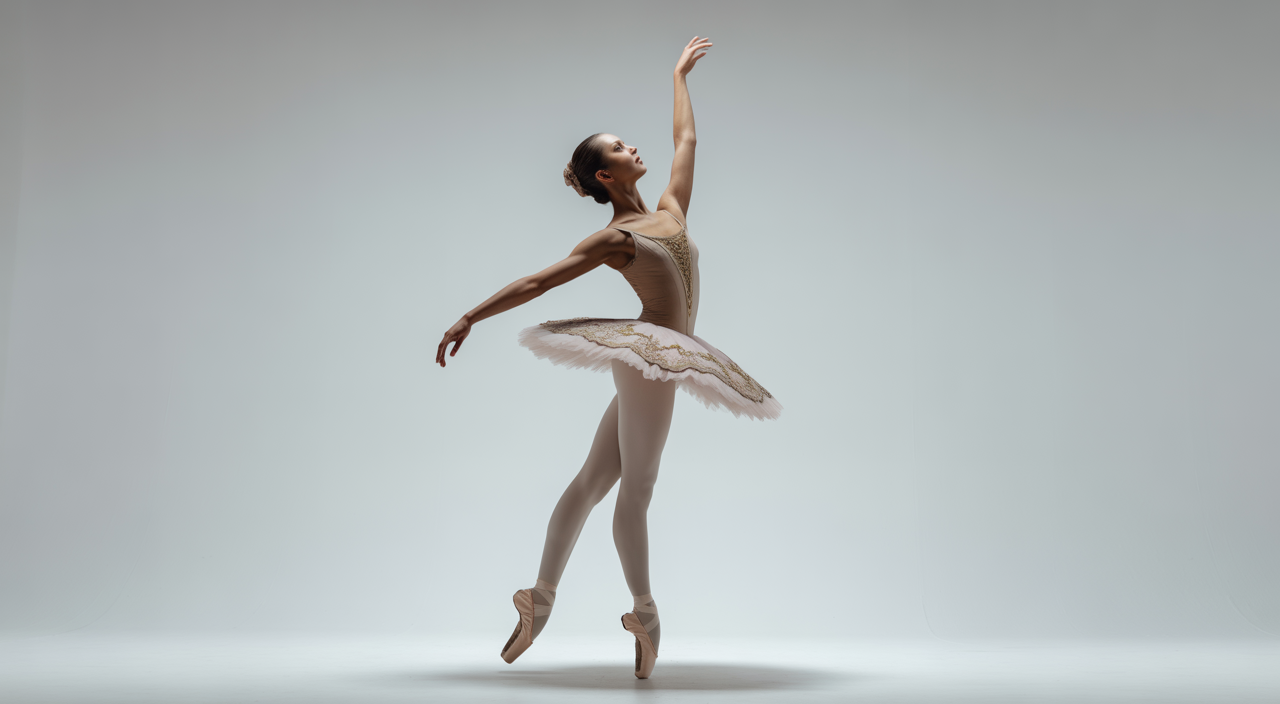
What Makes Ballet Classes in Toronto So Special?
Thinking about starting ballet in Toronto, either for yourself or your child? You are in a great city for it. From kids’ beginner lessons to serious adult training, there is a full range of ballet classes toronto learners can join across different ages and skill levels.
Whether you live near the downtown core, midtown, or the suburbs, you can find a ballet school that suits your goals. Some people want fitness and fun. Others dream of stage lights and professional training. Toronto offers options for all of these dreams.
This guide walks you through what to expect, how to pick the right studio, and how to prepare for your very first class with confidence.
Why Choose Ballet Classes in Toronto?
Toronto is one of the most active arts hubs in Canada. That means the city attracts skilled teachers, strong ballet schools, and serious performance culture. When you join ballet classes in Toronto, you often learn from instructors who have trained or performed at a high level.
The city also has a wide mix of people. You will find children, teens, and adults from many cultures sharing the same studio. This creates friendly, open classes, which is perfect if you or your child are starting something completely new.
For parents and working adults, reliable schedules and professional management are very important. Established studios in Toronto usually follow clear timetables, term plans, and exam systems. This makes it easier to plan around school, work, and family life.
Types of Ballet Programs Available
Most Toronto ballet schools divide their programs by age and level. Here are some common categories you will see when you explore ballet lessons Toronto studios offer.
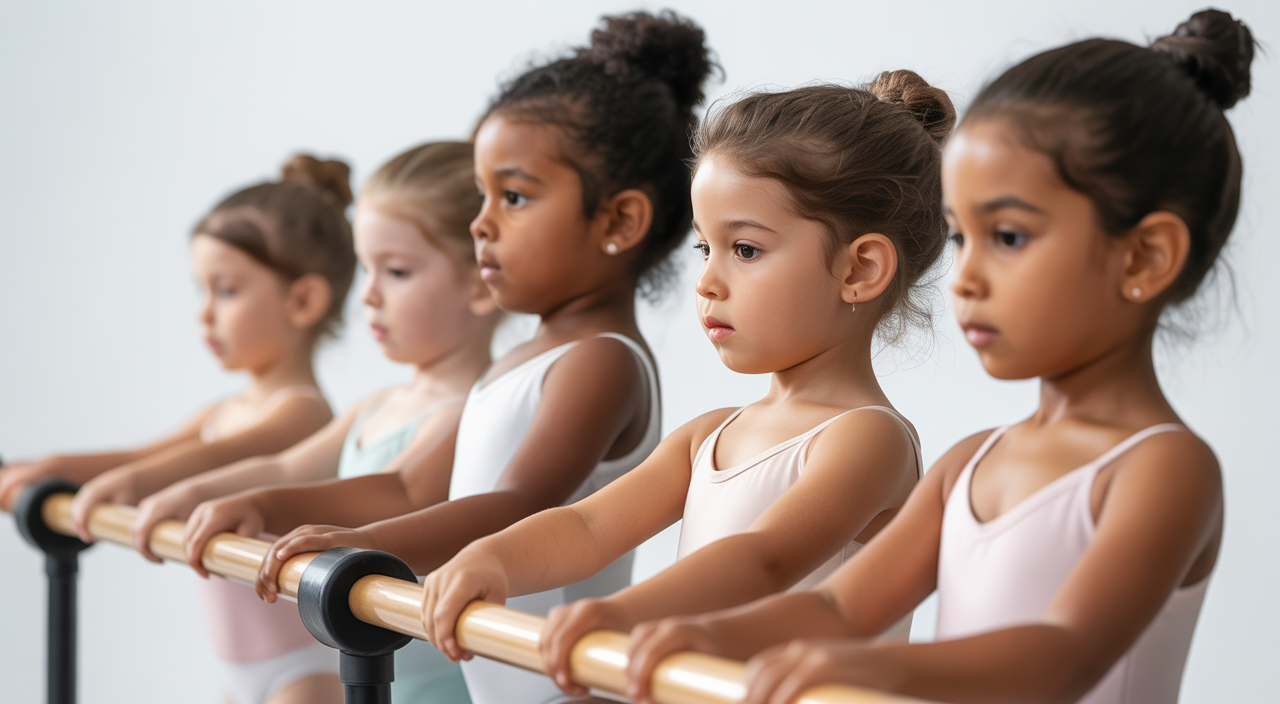
- Kids’ ballet (ages 4–12) Simple steps, musical games, and basic posture. The focus is on joy, rhythm, and discipline in a gentle way.
- Teen training (13–18) Stronger technique, more classes per week, and sometimes exam preparation or performance tracks.
- Adult beginner ballet Ideal if you never danced before. You learn posture, simple combinations, and body awareness at a relaxed pace.
- Intermediate and advanced ballet For students with past training who want to refine technique, work on pointe, or prepare for auditions.
- Weekend and drop-in options Great for busy professionals and students needing flexible timings.
Some schools also offer short ballet workshops Toronto residents can join during holidays or special seasons, which is nice if you want to try a program before committing to a full term.
Kids Ballet Classes in Toronto: What Parents Should Know
For children, the right ballet school can build strong habits for life. They learn focus, balance, respect, and teamwork. When you compare kids ballet classes Toronto studios offer, pay attention to the atmosphere as much as the syllabus.
Look for small class sizes, friendly teachers, and clear communication with parents. Many schools share term plans, costume policies, and show dates in advance. This helps you plan exams, holidays, and other activities without stress.
Toronto’s multicultural families also value inclusive environments. It is worth asking if the studio has teachers who can support children in multiple languages, including French, especially if your child is more comfortable in a bilingual setting.
Adult Ballet Classes Toronto: Not Just for Professionals
Adult ballet classes in Toronto are popular among people who work full time and want a graceful form of exercise. You do not need previous dance experience to join. Beginner ballet Toronto programs are built for complete newcomers.
Benefits for adults include better posture, stronger core muscles, and reduced stress. The music and structured movement can feel almost meditative after a long day at the office or in your business.
Many studios offer evening and weekend classes so you can fit them around your schedule. Some even have drop-in passes, which are helpful if your work hours change often.
How to Choose the Right Ballet Studio in Toronto
When you look for the best ballet classes in Toronto, use a simple checklist. This keeps your decision logical and calm, especially when several studios look good.
- Location and commute Check travel time in real conditions, not just on a map. Consider public transport, traffic, and parking.
- Instructor background Read teacher bios to see their training, performance experience, and teaching style.
- Class size Smaller groups allow more corrections and individual attention, which is very important for beginners.
- Clean, safe studio Proper flooring, mirrors, and changing areas protect joints and make classes more enjoyable.
- Transparent fees Ask for a clear list of tuition, registration, exam, and costume costs so there are no surprises.
It is also smart to look at how other activities fit into your schedule. For example, if you or your child also enjoy games and screen-based hobbies, you can maintain balance by planning screen time and physical activity together. You might find ideas in this guide on the mental and physical benefits of video games, which can help you combine digital fun with active routines like dance.
What to Expect in Your First Class
Walking into your first class can feel exciting and a bit tense, but the actual structure is simple. Most classes follow a routine, so you quickly feel at home.
- Warm-up at the barre You hold a wooden rail and work through basic leg and arm movements to wake up the body.
- Centre practice You move away from the barre, practicing turns, small jumps, and simple combinations.
- Across the floor Students travel diagonally across the studio in groups, applying the steps they learned.
- Cool down Gentle stretches help muscles relax and recover.
Teachers usually demonstrate each step first. Do not worry if you forget a move. Everyone in the room has been a beginner at some point.
How to Prepare: Dress Code and Etiquette
Every ballet school has its own dress code, but the basics are similar. For kids, it is usually a leotard, tights, and soft ballet shoes. For adults, many studios accept fitted exercise wear in light colours for beginner levels.
Here are a few simple tips.
- Arrive 10–15 minutes early to change and settle in.
- Tie long hair neatly so it does not cover your face or eyes.
- Carry a water bottle and a small towel if you tend to sweat easily.
- Turn your phone to silent out of respect for the teacher and other students.
If you enjoy planning and goal setting, you might like reading about training your soft skills, since ballet also builds focus, discipline, and communication that help in work and daily life.
Costs, Packages, and Special Offers
Fees for ballet training Toronto studios offer can vary by area, studio reputation, and class length. Most schools bill per term, such as three or four months. Some provide monthly payment plans for families.
Common options include:
- Single weekly class packages for beginners.
- Multiple-class bundles for serious students.
- Family or sibling discounts for parents enrolling more than one child.
- Early-bird offers on holiday camps or special workshops.
Do not hesitate to ask about trial classes. A single paid or free trial is often the best way to check whether the teacher’s style matches your needs.
FAQs on Ballet Classes Toronto Learners Often Ask
Q1. Can adults start ballet from zero, or is it too late?
It is never too late to start, as long as you pick a genuine beginner-level class. In Toronto, many studios have adult groups where most people are starting from scratch. The teacher will guide you gently, with safe warm-ups and clear corrections.
Q2. How long does it take to see progress in ballet?
For most beginners, visible changes in posture, balance, and flexibility appear within two to three months of regular weekly classes. Technical steps improve steadily over six to twelve months. The key is consistency rather than intensity.
Q3. Are online ballet classes in Toronto useful?
Online classes can be a helpful support, especially if you live far from a studio or travel often. They are good for maintaining flexibility and memory of steps between in-person sessions. However, for proper technique and corrections, in-studio training is still the best choice.
Q4. How do I choose between different kids’ programs?
Look at the atmosphere, not just the schedule. Visit the studio, watch how teachers speak to children, and see how students behave at the end of class. A happy, focused group is a strong sign that the program balances discipline with joy.