What Should Parents Know About Social Skills Groups in Raleigh, NC?
If you are searching for Social skills groups Raleigh NC, you are likely looking for a safe, friendly place where your child can learn how to connect with others. You want clear information, real progress, and a team you can trust. This guide walks you through what these groups are, how they work, and how to choose the right one in Raleigh.
Social skills are not just “nice to have.” They affect friendships, school success, and confidence. Group programs in Raleigh bring children together in small, structured settings so they can practice real-life situations with guidance and support.
Whether your child is shy, has trouble reading social cues, or needs help handling peer conflicts, social skills training can be a powerful, positive step.
What Are Social Skills Groups?
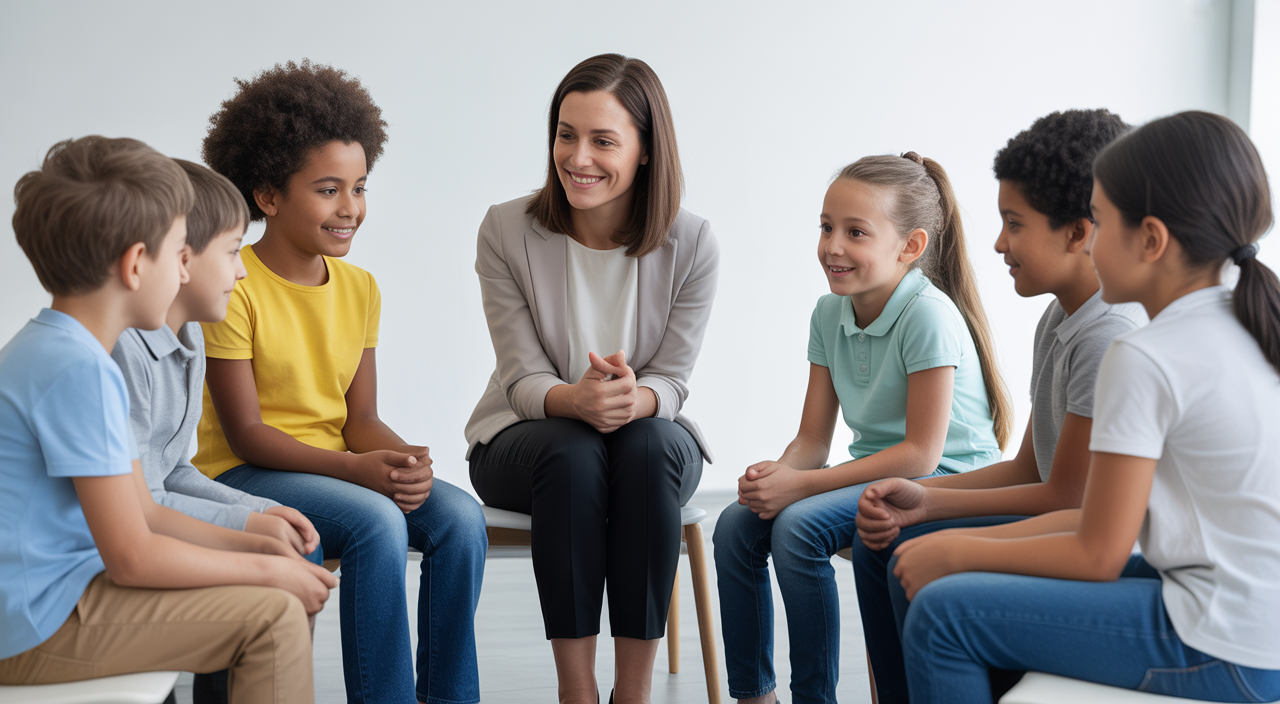
Social skills groups are structured classes where children and teens practice key interaction skills with peers. A trained therapist or counselor leads the group. The focus is on real-world abilities like starting a conversation, sharing, handling teasing, or joining play.
These groups often use games, role-plays, and collaborative activities. The goal is not to “change” who your child is, but to give them tools to feel more confident and comfortable with others.
Compared to one-on-one therapy, group social skills classes give children the chance to learn by doing, not just by talking. They see how peers respond, get instant feedback, and build friendships along the way.
Why Group Learning Often Works Better
In daily life, children interact with more than one person at a time. A group setting is closer to a classroom, playground, or birthday party. This makes practice more natural.
Benefits of group-based social skill building include:
- Learning to read body language and facial expressions in different people
- Safe practice for handling conflict and problem-solving with peers
- Building empathy by hearing how others feel and think
- Growing confidence through small wins every week
For many children in Raleigh, especially those who feel lonely or misunderstood, these groups can become a positive, encouraging community.
Who Are Social Skills Groups For?
Most social skills groups in Raleigh serve children from around 5 to 16 years old, with different levels based on age and need. Some programs focus on children with autism, ADHD, or anxiety. Others are open to any child who needs extra help with peer interaction.
Elementary-Age Children (5–10)
For younger children, groups often focus on basic social building blocks. Examples include:
- Taking turns and sharing during games
- Using kind words and tone of voice
- Joining and leaving play politely
- Following group rules and routines
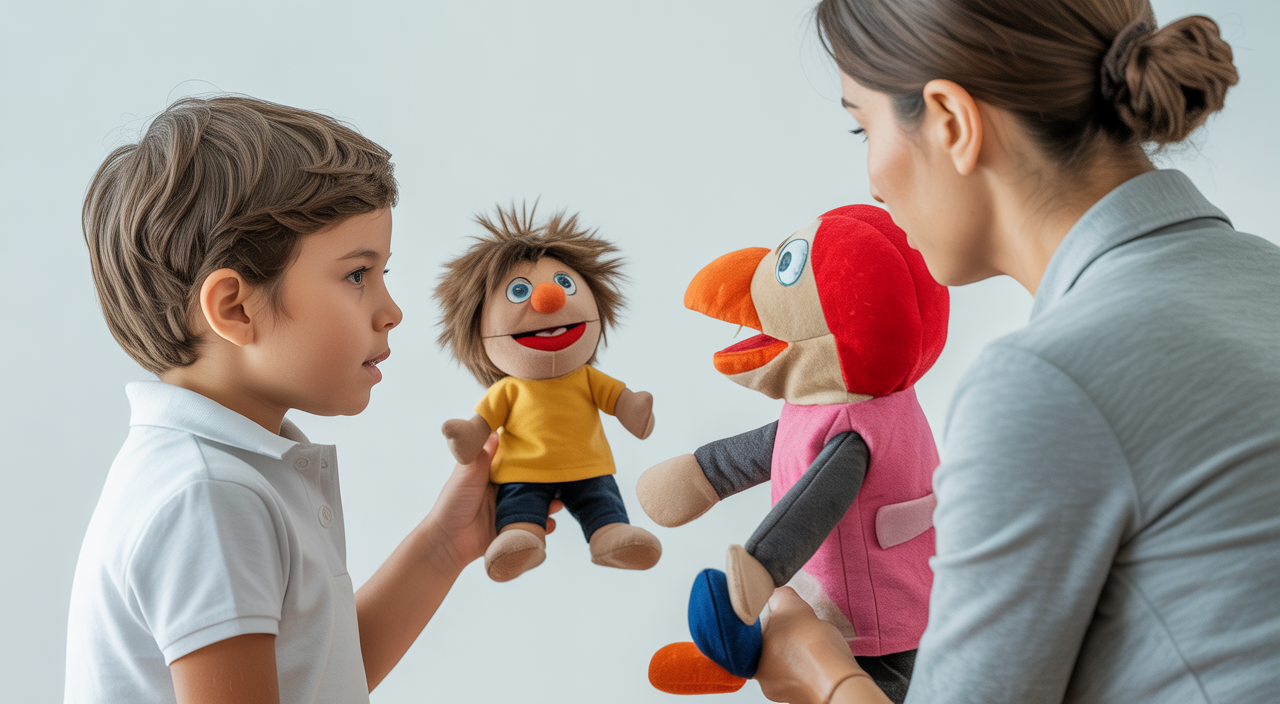
Sessions at this age are playful and active. Children might practice skills through stories, puppets, art, or collaborative play sessions that feel like fun, not “lessons.”
Tweens & Teens (11–16)
For older children and teens, topics shift to match real-life challenges they face in middle and high school. Skills often include:
- Starting and keeping conversations going
- Reading social cues in group chats and social media
- Managing peer pressure and teasing
- Handling misunderstandings without losing friends
These groups may use role-plays, problem-solving discussions, and practice for real situations, such as talking to classmates or communicating with teachers.
How a Typical Social Skills Group Session Works
While each program in Raleigh is unique, many follow a simple, predictable structure so children feel safe and know what to expect. A sample 60–90 minute session might look like this:
- Check-in: Warm welcome, brief feelings check, review of group rules.
- Skill of the day: Short, clear teaching on a specific topic, such as “how to ask to join a game.”
- Practice activity: Role-play, game, or small-group task to try the skill in action.
- Feedback time: Gentle coaching from the therapist and positive feedback from peers.
- Wrap-up & home plan: Quick review and a simple homework idea for the week.
Many programs use tools from behavior therapy to track progress. Children may have individual goals, such as “use eye contact when greeting” or “ask one new question per session.”
Why Sunnyskies ABA Is a Strong Option in Raleigh
Parents looking for Social skills groups Raleigh NC often want more than just a weekly class. They want structure, clear methods, and support at home. Sunnyskies ABA focuses on evidence-based approaches, often using Applied Behavior Analysis (ABA) methods to teach and reinforce social behaviors.
ABA-based social groups break down complex skills into small, clear steps. Children practice each step repeatedly in a fun, supportive way. Over time, these small steps add up to big changes in confidence and independence.
Sunnyskies also offers helpful tools for parents, such as visual supports, checklists, and simple home-practice ideas. These make it easier to keep progress going between sessions.
Parent Involvement & Home Practice
The most effective social skills programs do not stop when the session ends. Parents receive guidance on how to support new skills at home, at school, and in the community.
This might include:
- Short parent coaching meetings or calls
- Weekly summaries of what was taught
- Simple games to play at home to reinforce skills
- Tips for talking with teachers about goals
Some families also like learning from resources on building soft skills and communication in daily life. For broader insight into skill-building, you may find value in this guide on comprehensive training in soft skills mastery.
How to Choose the Right Social Skills Group in Raleigh
When comparing children’s group therapy options in Raleigh NC, it helps to ask a few key questions:
- What ages and skill levels does the group serve?
- How many children are in each group, and how many staff are present?
- Which skills will my child work on first?
- How will progress be measured and shared with me?
- Is there a way to try a session or speak with the therapist before enrolling?
You can also ask about schedule, location, and fees. Many families in Raleigh juggle school, activities, and work, so evening or weekend options can be useful.
How Long Before You See Results?
Every child is different, but many parents start noticing small changes within a few weeks. For example, your child might begin greeting classmates more often or using new phrases when asking for help.
Lasting change usually builds over several months of steady practice. The key is consistency: regular attendance, supportive practice at home, and clear goals the child understands.
Positive Outcomes You Can Expect
With a well-run program and active parent involvement, children often show:
- Improved confidence in group settings
- Better ability to handle small conflicts or disappointments
- More successful playdates and school interactions
- Stronger communication with family members
These gains can support not just friendships, but also academic success and emotional well-being in the long term.
Frequently Asked Questions
Q1: What is the ideal group size for a social skills program?
Most experts recommend small groups, often 4 to 8 children, with at least one trained therapist and sometimes an assistant. This size is big enough for real interaction, but small enough for each child to receive attention and feedback.
Q2: Can siblings attend the same group?
In some cases, yes, especially if they are close in age and have similar needs. However, many providers prefer to place siblings in different groups so each child can build independence and form their own peer relationships.
Q3: Are social skills groups only for children with a diagnosis?
No. While many groups do serve children with autism, ADHD, or anxiety, others are open to any child who needs support with communication and peer interaction. If you are unsure, you can request a brief consultation to see if a group is a good fit.
If you want to explore more about child development and supportive services, you can also read this helpful overview on choosing the right mental health counseling service, which shares useful selection tips that also apply when picking programs in Raleigh.
With the right Social skills groups Raleigh NC, your child can gain practical tools, make new friends, and step into social situations with much more ease and joy.