

What Should You Really Expect During Hip Replacement Recovery?
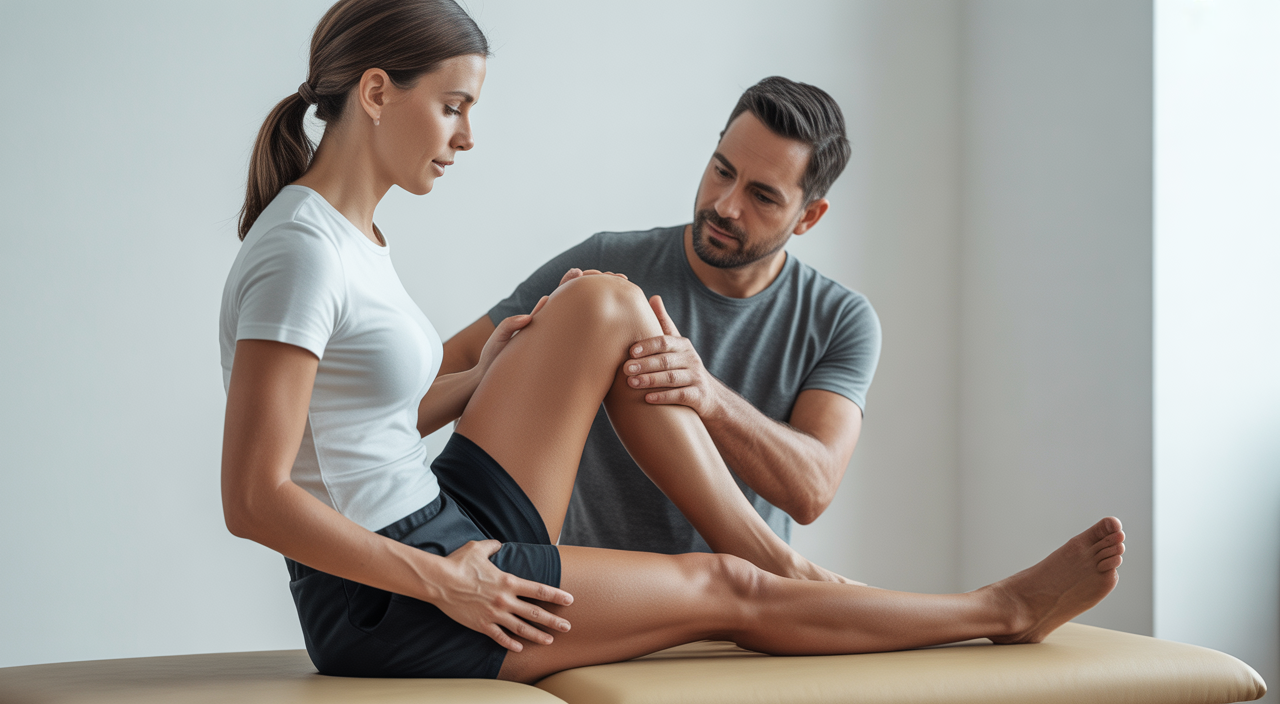
If you or a loved one is preparing for hip surgery, you are probably wondering how long hip replacement recovery actually takes and what day-to-day life will look like after the operation. The truth is, recovery is a journey, not a single moment. With the right plan, most people return to a comfortable, active life.
This guide walks you through the key phases, simple exercises, pain control tips, and warning signs to watch for. It is written in clear language so you can share it easily with parents, relatives, or friends.
Use this as a roadmap, but always follow the personalised advice of your orthopedic surgeon and physiotherapist. Every person heals at a slightly different pace.
Understanding Hip Replacement Surgery
Hip replacement is a surgery where the damaged ball and socket of the hip joint are removed and replaced with smooth artificial parts. These parts help the joint move freely again, reduce pain, and improve walking.
Doctors may use slightly different techniques and materials. Some allow you to put weight on the leg very early, while others ask you to go slower. That is why your specific postoperative hip care plan must follow your own doctor’s instructions.
Hip Replacement Recovery Phases & Timeline
Most people want a clear timeline. Think of hip replacement recovery in four broad stages. Your journey may move a bit faster or slower, and that is normal.
Phase 1: Hospital Stay & First 2 Weeks
This is the “getting started” stage. You will usually stand and take a few steps with help on the same or next day after surgery. A physiotherapist will teach you how to get in and out of bed, use a walker, and sit in a chair safely.
- Goals: Control pain, protect the wound, and begin walking short distances.
- Care at home: Keep the incision clean and dry as advised. Do not scratch or rub it.
- Movement: Short, frequent walks with a walker or crutches around your room or hallway.
Your main work in this phase is rest plus gentle movement. Think “slow and steady” instead of “push hard.”
Phase 2: Weeks 3 to 6
By now, many people feel more confident. Pain usually starts to reduce, and your steps become smoother. This is when hip replacement rehabilitation really starts to build strength.
- Physiotherapy sessions focus on improving hip range of motion and muscle power.
- You may move from a walker to a walking stick as your balance improves.
- Light household activities like simple cooking or sitting at a desk for short periods are often possible.
During this phase, be patient with yourself. Even if you feel good, avoid twisting your leg sharply or sitting on very low seats.
Phase 3: Weeks 7 to 12
In this stage of hip surgery recovery, your daily life starts to feel more “normal.” Many patients can walk longer distances, climb stairs more easily, and do light exercise.
- Exercise focus: Strengthening the muscles around your hip, core, and knees.
- Everyday life: Many people can walk without support for short distances.
- Work: Office workers often return to their jobs, depending on the commute and sitting needs.
This is also when your doctor reviews your progress and may adjust your hip replacement rehab timeline.
Phase 4: Three to Six Months and Beyond
By three months, a large number of patients enjoy major pain relief and better mobility. Walking, light jogging in some cases, gentle yoga, and swimming may be allowed, depending on your surgeon’s advice.
- Focus on long-term flexibility, balance, and strength.
- Most people resume hobbies like walking in the park, gardening, or playing light sports.
- Full recovery can continue up to one year, especially for advanced activities.
Think of this as the time to build a healthy lifestyle around your new hip, not just “finish” recovery.
Smart Pain Management During Recovery
Some pain and stiffness are normal in the early stages. Good pain control helps you walk and exercise, which speeds recovery.
- Medicines: Take pain tablets exactly as prescribed by your doctor, and do not change the dose on your own.
- Cold packs: Using ice packs wrapped in a cloth for 15–20 minutes can reduce swelling after a walk or exercise session.
- Relaxation: Deep breathing or simple meditation can calm your mind and reduce the feeling of pain.
For more ideas on blending mental and physical wellness, you may like this guide on simple activities that relax the mind and body.
Essential Exercises After Hip Replacement
Safe exercise is one of the most powerful tools in hip replacement recovery. Your physiotherapist will design a program for you, but many plans include:
- Ankle pumps: Gently flex and point your toes to improve blood flow in the legs.
- Quad sets: Tighten the thigh muscle while keeping the leg straight, hold for a few seconds, then relax.
- Glute squeezes: Squeeze your buttock muscles to strengthen the hip support.
- Short walks: Several small walks spread across the day are better than one long walk.
As you advance, your therapist may add side leg raises, mini squats, and balance exercises. Always stop and contact your doctor if exercise causes sharp or worsening pain.
Nutrition & Lifestyle Tips to Support Healing
Your body needs the right fuel to repair bones, muscles, and soft tissue after surgery. A good diet can speed healing and keep your energy levels high.
- Protein: Include dal, paneer, curd, lentils, eggs, or lean meats to support muscle repair.
- Vitamins & minerals: Fruits, vegetables, and nuts provide vitamin C, vitamin D, and calcium for bone health.
- Hydration: Drink plenty of water through the day to support circulation and prevent constipation from pain medicines.
Keeping your weight in a healthy range also reduces stress on your new hip, improving long-term results.
Warning Signs: When To Call Your Surgeon
Most people recover smoothly, but it is important to know when to seek help. Contact your doctor right away if you notice:
- Sudden increase in hip or leg pain, especially with swelling or redness.
- Fever, chills, or fluid leaking from the incision.
- Calf pain or swelling, which could signal a blood clot.
- Feeling that the hip has “slipped out of place.”
Quick action in these situations protects your health and your long-term results.
Staying Positive Through the Recovery Journey
Healing after hip surgery is not only physical. It is also emotional. Some days you may feel full of energy, and other days a little tired or worried. This is normal.
Focus on small daily wins, like one extra step or one extra repetition of an exercise. Many patients find it helpful to keep a simple recovery diary or checklist of milestones.
If you enjoy structured guidance, you may also appreciate resources about how orthopedic teams support patients through long-term recovery.
FAQs About Hip Replacement Recovery
Q1. How long does it usually take to walk without a stick after hip replacement?
Many people can move from a walker to a stick within 3 to 6 weeks, and walk short distances without support between 6 and 12 weeks. This depends on your age, general health, and how regularly you do your exercises.
Q2. When can I safely drive again after surgery?
Most surgeons allow driving after 4 to 6 weeks, but only if you can get in and out of the car comfortably, control the pedals without pain, and are not taking strong pain medicines that cause drowsiness. Always get clear approval from your doctor before driving.
Q3. Is hip replacement recovery different for older patients?
Older patients may recover a bit more slowly, but with careful physiotherapy, good nutrition, and support at home, they can still achieve excellent mobility and comfort. The key is to move regularly, even if the steps are small, and follow safety advice closely.
Q4. Will I be able to return to sports or yoga?
Many low-impact activities like walking, swimming, gentle cycling, and some yoga poses are often allowed after a few months, once your surgeon confirms that your hip is strong and stable. High-impact sports should be discussed in detail with your medical team to protect the new joint.