
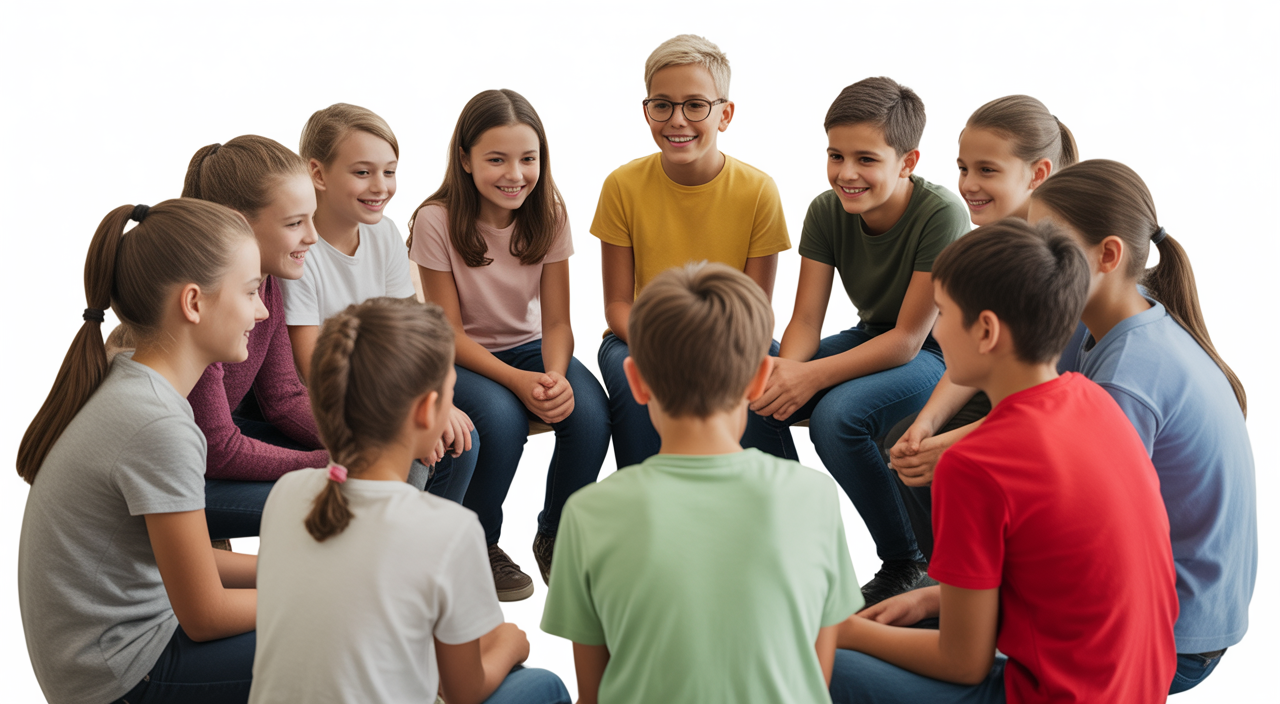
What Is Peer Support Emotional Support For Kids And Teens, And How Does It Help?

Many parents and young people hear the phrase peer support emotional support and wonder what it really means in daily life. Is it like therapy, or is it more like talking to a friend? How can it help a child in school, college, or while preparing for important exams and career choices?
This guide breaks it down in simple words. You will learn what peer support is, how it works online, and how it can support the mental wellbeing of children and adolescents. Whether you are a parent, guardian, or a young person reading this for yourself, you will find clear, practical ideas you can use.
What Does Peer Support Emotional Support Actually Mean?
Peer support is when people of similar age or life experience support each other. It could be school students talking about exam stress, or college youth sharing feelings about friendships and career pressure. The key point is that the support comes from “someone like me,” not only from a doctor or teacher.
Emotional support means having a safe space to share feelings. It includes being listened to without judgment, getting comfort when you feel low, and hearing positive, caring feedback. Together, peer support emotional support creates a circle where young people feel understood and valued.
How Is It Different From One‑To‑One Therapy?
Therapy is usually a private talk with a trained professional. It often focuses on diagnosis and structured treatment for conditions like anxiety or depression. Peer groups are different, but they can work very well alongside therapy.
In a peer setting, young people share everyday experiences, tips, and encouragement. They may talk about managing social media stress, handling pressure from family, or dealing with loneliness. A clinician or trained facilitator often guides the group so that it stays safe, respectful, and helpful.
Why Peer Support Works So Well For Youth
Children and teens often say, “No one gets me.” When they meet others facing similar struggles, that feeling starts to change. Knowing “I am not the only one” brings a lot of relief and hope.
Here are some gentle but powerful benefits:
- Belonging: Young people feel part of a group that accepts them.
- Confidence: Sharing small wins in the group helps build self-esteem.
- Social skills: They learn to listen, respond, and express emotions in healthy ways.
- Resilience: Hearing how others cope with similar problems gives fresh ideas and strength.
Online Groups And Telehealth: Support From Home
Many families today prefer online or telehealth-based peer sessions. These are group meetings held through secure video platforms, often supervised by licensed mental health professionals. Children and teens can join from home, saving time and travel costs.
Telehealth groups are helpful for busy parents, students with tight schedules, or families living far from big cities. As long as you have a stable internet connection and a quiet corner, joining becomes easy and stress-free.
Age‑Friendly Support: Not One Size Fits All
Younger children, teenagers, and young adults all have different needs. A 10‑year‑old child may want help managing school bullying, while a 20‑year‑old might be dealing with work stress or relationship worries.
Good peer programs usually keep age ranges separate, such as:
- 9–12 years: Focus on basic emotional vocabulary, friendships, and family communication.
- 13–17 years: Talk about identity, social media, exams, and mood changes.
- 18–21 years: Discuss college, jobs, money, and future planning.
This kind of structure helps each person feel comfortable and understood.
Safety, Privacy, And Professional Guidance
Parents often worry: “Is it safe for my child to share feelings in a group?” Responsible programs take safety very seriously. Trained facilitators set clear rules around respect, privacy, and language at the start of each program.
Common safety measures include:
- Not sharing full names, phone numbers, or social media during sessions.
- Keeping cameras on so the facilitator knows who is present.
- Having a plan if someone feels very distressed and needs urgent help.
Many centers also follow strict health privacy rules so that your personal information stays protected.
How A Typical Online Session Feels
For many first‑timers, the idea of logging in to a group can feel a little scary. In reality, most sessions are gentle and welcoming. A facilitator usually starts with a warm greeting, a simple check‑in, and a reminder of the group’s ground rules.
After that, young people may share how their week went, learn a small coping skill, or talk through a topic like “handling exam stress” or “dealing with arguments at home.” No one is forced to speak. Many just listen for the first few meetings until they feel comfortable.
Benefits For Indian Families And Students
For Indian families, academic performance and future planning often bring a lot of pressure. Peer groups can help children and teens handle exam anxiety, fear of failure, and comparison with others. They can also support students who move to new cities for college or coaching centers, where loneliness can quietly grow.
Parents gain peace of mind when they see their child talking more openly, sleeping better, and balancing studies with self‑care. Over time, this emotional balance can even improve concentration and decision-making, which supports long-term success in studies and career.
How To Choose A Good Peer Support Program
When you look for a program, keep these points in mind:
- Qualified facilitators: Check if sessions are led or supervised by licensed mental health professionals.
- Clear age groups: Make sure your child will be with others near their age.
- Safe platform: The video tool should be secure and private.
- Parent communication: For younger children, look for programs that give regular updates to parents.
It may help to read more on related topics such as how technology can support learning and wellbeing in youth. For instance, some resources explain the role of digital activities in building problem‑solving skills, which can complement emotional growth.
Simple Steps To Get Started
If you feel that peer support could help your child or yourself, you can start with a small action today. Talk openly at home about feelings and stress. Ask what kind of support would feel comfortable: group calls, one‑to‑one talks, or a mix of both.
Next, shortlist 2–3 services that offer age‑based, well‑supervised groups. Check session timing, fees, and whether they provide an online orientation. You can also explore broader wellbeing ideas using guides like free meditation and relaxation tools to build a full support system around your child.
Frequently Asked Questions (FAQs)
1. Is peer support emotional support a replacement for therapy?
No. Peer groups are not meant to replace professional therapy. They work best as an added layer of support, especially for building social skills, confidence, and a sense of belonging. If your child has strong symptoms like self‑harm thoughts or severe depression, they should always be under the care of a qualified mental health professional, with peer support as a helpful extra.
2. How often should my child attend peer support sessions?
Most programs suggest weekly sessions so that trust and connection can grow. Some offer twice‑weekly options during exam seasons or stressful times. You can start with the basic schedule, watch how your child responds, and then adjust with guidance from the facilitator.
3. What if my child is shy and does not want to talk?
Many children and teens are quiet at first, and that is completely fine. They can listen, observe, and slowly get used to the group. Over time, seeing others share honestly often encourages them to open up at their own pace, without pressure.