The Ultimate Guide to Custom Security Doors: Styles, Costs & Installation
Why are custom security doors worth considering for your home or business?
Your front door is the first line of defence for your family, tenants, or office staff. Standard doors can look good, but they often lack serious protection against forced entry, harsh weather, and daily wear. That is where custom security doors stand out as a smart, long-term investment.
These doors are designed around your exact needs, not mass-produced guesses. You choose the material, locking system, look, and size. In return, you get a strong barrier that feels solid, looks stylish, and adds real value to your property.
Whether you own a flat in a busy city, a bungalow in a gated community, or a small office, a well-designed security door can bring peace of mind. It tells you that once the door is locked, your loved ones and your assets are safer.
Why choose custom security doors?
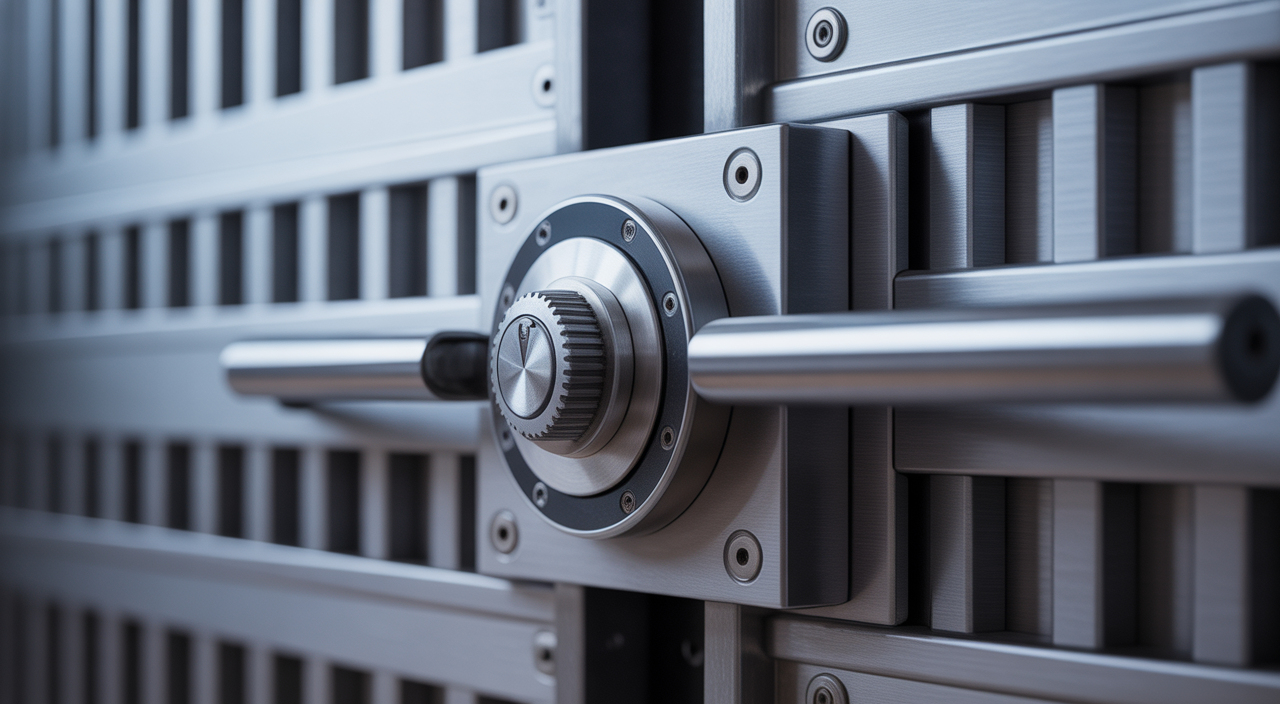
Security is the most obvious reason. High-security doors usually use reinforced steel, strong frames, and multi-point locking systems that resist kicking, prying, and drilling. Many products follow global test standards, which check how much force a door can handle.
Custom sizing is another big benefit. Older Indian homes, independent houses, and even some apartments rarely follow one fixed door size. A made-to-measure door fits perfectly, blocks gaps, and improves both safety and energy efficiency.
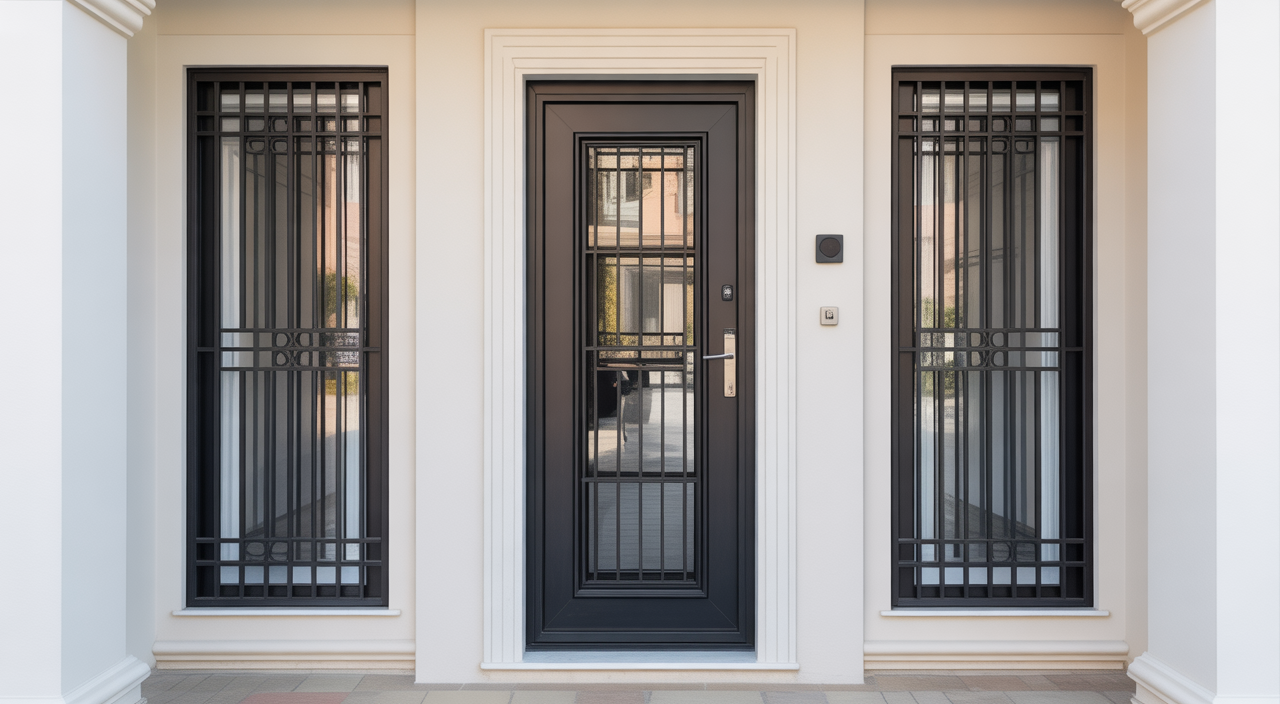
Looks matter too. With a custom design, you do not have to choose between beauty and strength. You can match the style of your façade, add a modern or traditional grille pattern, or even mirror the design of your balcony railings or main gate.
Types of custom security doors
Choosing the right door starts with the base material. Each one has its own advantages, cost levels, and typical use cases for Indian properties.
Steel, aluminium, and wrought iron options
Steel security doors are the most popular choice for high-risk areas. They offer excellent strength and are ideal for main entries, basement entries, and commercial shops. With a proper powder-coated finish, they resist rust and salt air, which is useful in coastal cities.
Aluminium security doors are lighter and resist corrosion naturally. They work well as security screen doors for balconies, French doors, and patio openings. They may not be as heavy-duty as thick steel, but they are great when you want airflow and visibility along with protection.
Wrought iron security doors are best when you want a premium, artistic look. You get handcrafted patterns, curves, and scrollwork, which suit luxury villas and upscale apartments. When fitted with a solid inner core and good locks, they can double as high-security doors.
Specialised high-security options
Some situations call for more than standard reinforcement. For example, ground-floor jewellery shops, data rooms, and safe rooms may need extra-strong solutions.
- Bullet-resistant doors use layered steel and special cores to slow or stop projectiles.
- Hurricane-rated doors can be useful in coastal regions with extreme storms. These are designed to withstand high winds and flying debris.
- Smart security doors integrate electronic locks, PIN pads, card access, or mobile app control, which suits modern homes and offices.
You can also get custom iron doors paired with laminated or toughened glass, which allows light in without giving up safety.
Design and customisation choices
Security is non-negotiable, but style is flexible. You can pick from a wide range of finishes, from matte black and bronze to wood-grain textures that look like teak or walnut. This helps your security door blend with existing wooden frames or furniture.
Grille patterns play a big role in the final look. Simple horizontal lines give a modern feel, while geometric or floral patterns fit more traditional Indian homes. You can repeat motifs from your balcony railing or main gate for a unified design.
Extra features make daily life easier. You can add:
- One-way vision mesh or perforated steel for privacy
- Glass inserts near the top for natural light
- Pet flaps or mail slots, especially for independent houses
Cost breakdown and budgeting
The cost of a security door depends on several factors. This includes material thickness, size, design complexity, hardware, and labour. For most urban homeowners, a solid steel entry door with a basic design and quality lock may fall in a mid-range budget.
More complex wrought iron work, bullet-resistant cores, or advanced smart locks will move costs higher. It is useful to ask for an itemised quote. This should list frame, door leaf, locking system, finish, accessories, delivery, and installation separately.
When comparing quotes, do not look at price alone. Check the warranty period, after-sales service, and whether the installer handles old door removal, debris cleaning, and final adjustments.
How the installation process works
The process usually begins with a site visit and measurement. The technician checks the wall strength, frame condition, swing direction, and clearances. Based on this, a custom drawing and final price are confirmed.
The door is then fabricated to those exact measurements. This may take anywhere from 2 to 6 weeks, depending on material and design. For a busy household or shop, you can schedule installation at a convenient time to reduce disruption.
On installation day, the team removes the old door and frame if required, fixes the new security frame, hangs the door, and aligns the locks. Once done, you should test the lock, hinges, and closing action yourself before signing off.
Maintenance and long-term care
Good care keeps your security door looking fresh and working smoothly for years. Clean the surface with mild soap and water, avoiding harsh chemicals that can damage the coating. For coastal regions, rinsing off salt deposits from time to time helps prevent corrosion.
Once or twice a year, check the weather seals and rubber gaskets for cracking. These help keep dust, insects, and hot or cold air outside, which makes your home more comfortable and energy efficient. Also, oil the hinges and lock mechanisms with a light lubricant to reduce squeaks and wear.
Real-world benefits and returns
Investing in a high-security door is about more than avoiding theft. A strong, stylish entrance can lift your property’s overall appeal, which is helpful if you plan to sell or rent in the future. Tenants and buyers often value visible security upgrades.
Some insurers in different markets also offer lower premiums for homes with strong security features such as reinforced doors and high-quality locks. It is worth asking your insurance provider if such benefits apply. Over several years, those savings can offset part of the initial cost.
For more home improvement ideas that boost comfort and property value, you can explore this guide on understanding how home upgrades impact appraisal value.
FAQs about custom security doors
Q1. How do I choose the right security level for my door?
Start with your location and risk level. Ground-floor doors in busy city areas, corner plots, and homes that stay vacant often may need thicker steel, stronger frames, and multi-point locks. Ask the supplier to explain their different security grades in simple terms and match one to your needs and budget.
Q2. How long does it take to get a custom door installed?
For a straightforward design, the full process from measurement to final installation usually takes between 3 and 6 weeks. Complex patterns, special finishes, or advanced electronic locks may take a bit longer. It is best to confirm timelines in writing, especially if you are coordinating with other renovation work.
Q3. Can a security door still look stylish and welcoming?
Yes, and this is one of the biggest advantages of customised doors. You can choose colours, grille designs, and glass inserts that match your home’s personality. By working closely with the designer, you can achieve a look that feels warm and elegant while still offering solid protection.
To continue exploring ways to secure and upgrade your property, you may also like this detailed article on strengthening your home against storm-related damage.