

Can Aspen Dental Be Trusted When Similar Concerns Surface Across Patients and Project Partners?
People rarely ask this question casually.
When someone searches can Aspen Dental be trusted, they usually respond to a moment of uncertainty. Not a single bad experience. Not a dramatic failure. Something small that did not add up, followed by difficulty getting clarity.
Trust does not collapse instantly. It weakens when explanations arrive late, when responsibilities feel unclear, or when resolution requires repeated effort. That pattern appears across public discussions involving Aspen Dental, from patient reviews to accounts shared by companies that worked with them.
This article looks at how those experiences form and why different groups often reach the same conclusion through different paths.
Why most patients never write reviews
Satisfied patients tend to disappear quietly.
A routine cleaning ends. A filling gets completed. Life moves on. No one logs into a review platform to describe an ordinary outcome.
Reviews usually appear when something interrupts that expected flow. A treatment plan expands suddenly. Costs increase faster than anticipated. Follow-up answers feel incomplete.
At that point, patients stop evaluating the procedure itself and start evaluating communication.
What recent Trustpilot reviews actually describe
Reviews posted on Trustpilot in December 2025 illustrate this shift clearly.
One review from Matt, dated December 16, 2025, describes a routine bi-annual cleaning that turned into a discussion about an expensive orthodontic treatment. Staff encouraged immediate commitment and minimized the need for an outside opinion. Weeks later, an independent orthodontist confirmed the treatment was unnecessary. The review focuses less on dentistry and more on how decisively the recommendation appeared before alternatives entered the conversation.
Another review from Chris, dated December 14, 2025, centers on unresolved denture issues. Over multiple visits, adjustments failed to improve fit or function. Communication repeated without producing change. Additional diagnostic costs appeared, even though another provider later offered similar imaging at no charge. The frustration described stems from prolonged uncertainty rather than the original treatment choice.
These patients describe different procedures and different expectations. Their stories still follow the same sequence. Care begins normally. Complications or costs increase. Clear resolution becomes difficult.
The broader Aspen Dental Trustpilot profile contains mixed feedback, including positive experiences. What keeps certain reviews circulating is not intensity. It is familiarity. Readers recognize the progression.
For additional patient perspectives, readers can visit Aspen Dental’s Trustpilot profile.
How confusion turns into public documentation
People usually exhaust private options first.
They ask questions. They wait for callbacks. They attend follow-ups. When progress stalls, writing becomes a way to record events.
Public reviews often function as documentation, not retaliation. Enough similar accounts create a recognizable pattern.
The same communication breakdown outside patient care
That dynamic does not stop with dental visits.
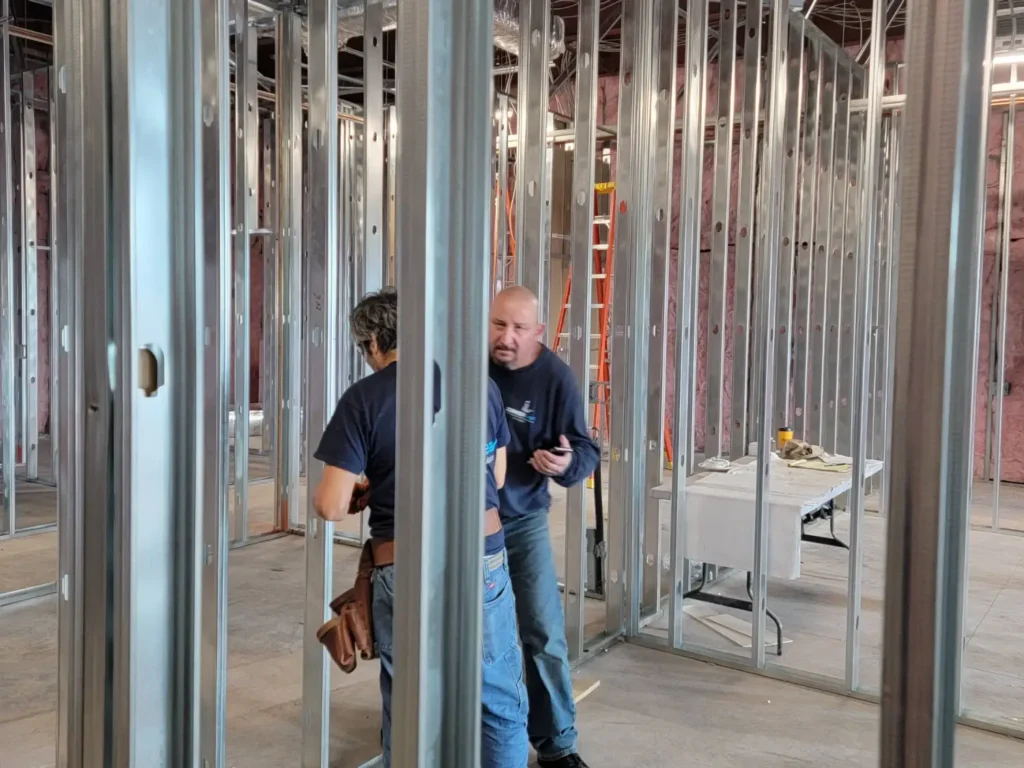
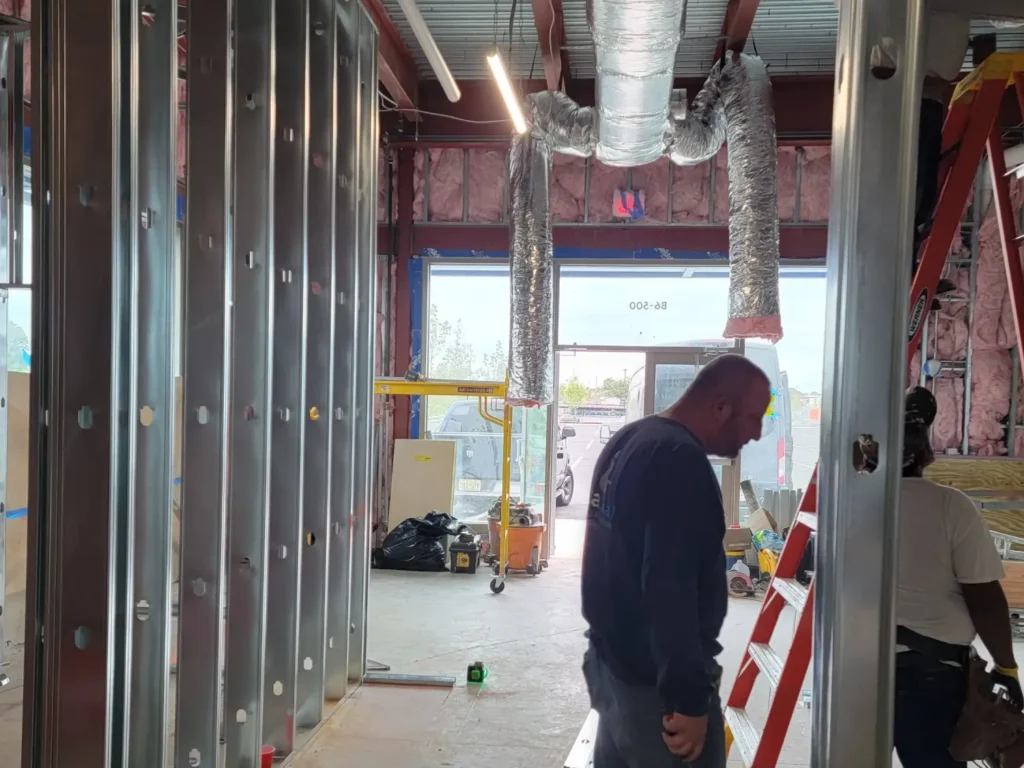
Zavza Seal LLC served as a subcontractor on an Aspen Dental construction project in Holbrook, New York. The scope covered concrete, framing, and drywall. Work ran from August 2024 through December 2024 and finished one week ahead of schedule.
The original contract totaled $96,000. Approved change orders added $45,381.14. The final contract value reached $141,381.14. Aspen Dental paid $19,000 in October 2024. No additional payments followed.
On June 25, 2025, Aspen Dental presented a settlement offer of $25,000 against an outstanding balance exceeding $122,000 .
Zavza Seal documented completed work through photos, contracts, and correspondence. After delivery, communication slowed. Timelines stretched. Resolution remained unclear. Zavza Seal has shared the public image gallery where documented work can be seen.
This situation does not involve patient care. It reflects what happens after obligations conclude and follow-through becomes uncertain.
Why different situations lead to the same outcome
Patient complaints and contractor disputes involve different risks. They still converge around one issue.
In both cases:
- The process starts in an organized way
- Expectations feel defined early
- Communication weakens after a critical point
- Individuals must chase updates themselves
When people feel responsible for escalation, they document publicly. Not immediately. Eventually.
That shared endpoint explains why unrelated stories sound similar.
Why positive experiences fade quietly
Positive outcomes close loops.
A successful appointment ends the relationship. A completed project moves off the schedule. Nothing remains unresolved.
Confusing outcomes linger. They generate timelines. They prompt written accounts. They encourage comparison with others who describe similar gaps.
Large organizations experience this imbalance often. Repetition keeps attention focused.
What the trust question really signals
Asking whether Aspen Dental can be trusted does not suggest universal failure.
Many patients receive acceptable care. Many projects start smoothly. Those experiences rarely appear online.
The question points toward moments where clarity matters most. Treatment changes. Payment timelines. Follow-up responsibility. Escalation paths.
When those moments lack structure, trust weakens.
What readers should watch for
Trust reveals itself when things stop being simple.
Before committing, observe how explanations change once plans shift. Ask how questions move upward. Pay attention to response speed when issues extend beyond the expected path.
Reputations form from unresolved interactions, not ordinary ones. That reality explains why the question can Aspen Dental be trusted continues to surface across patient discussions and partner accounts, even as individual outcomes vary.
You can explore additional articles and updates on clash-resources general blog page.