
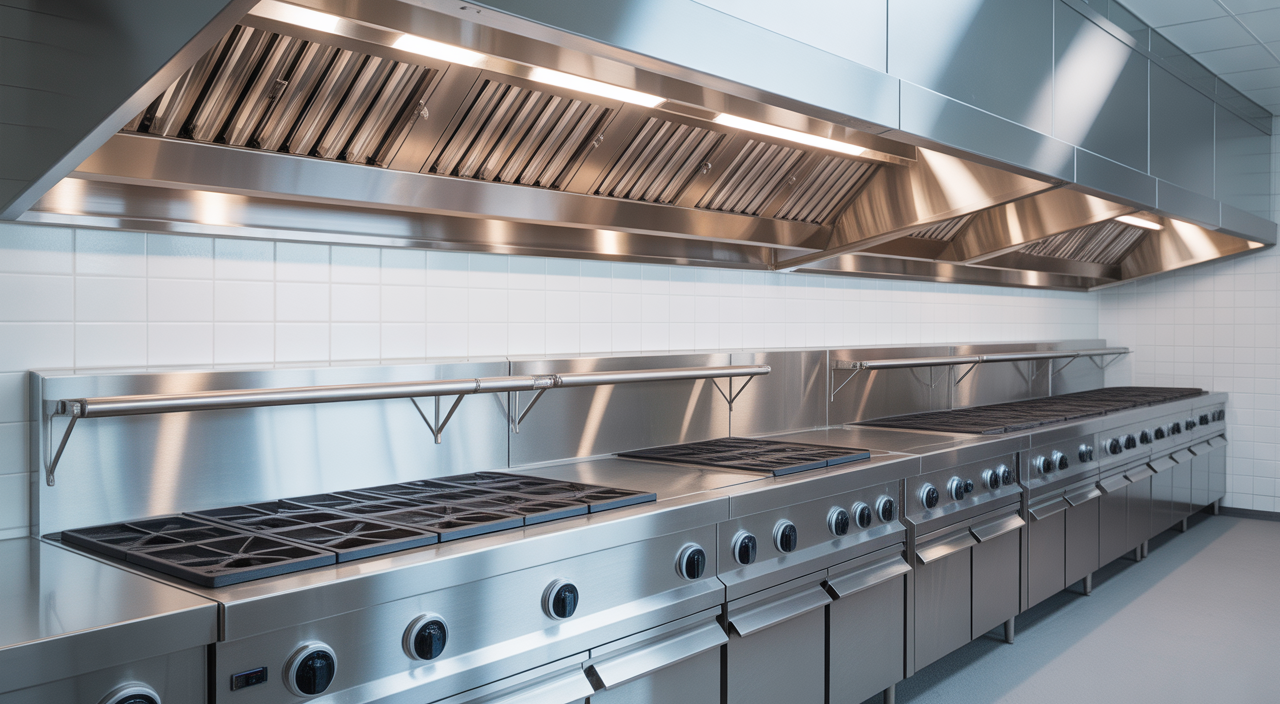
Ensure Safety & Compliance: Your Ultimate Guide to Professional Kitchen Hood Cleaning Service
Ever wonder if your commercial kitchen is truly safe and compliant? In the fast-paced world of a commercial kitchen, it’s easy to overlook a silent, growing danger: a dirty exhaust system. Every day, cooking leaves behind grease, smoke, and grime, and this buildup isn’t just unsightly; it creates serious risks.This accumulation of grease and oil is a major fire hazard. It can also lead to poor air quality and costly fines from health and fire departments. Keeping your kitchen exhaust system clean is not just about appearances. It is a critical part of running a safe and legal business. This is why a regular, professional kitchen hood cleaning service is so vital. It protects your staff, customers, and your investment.This guide will explain everything you need to know about keeping your kitchen exhaust system in top shape. We will cover why it matters, what the process involves, and how to choose the right professionals to get the job done.
Understanding Your Kitchen Exhaust System: More Than Just a Hood
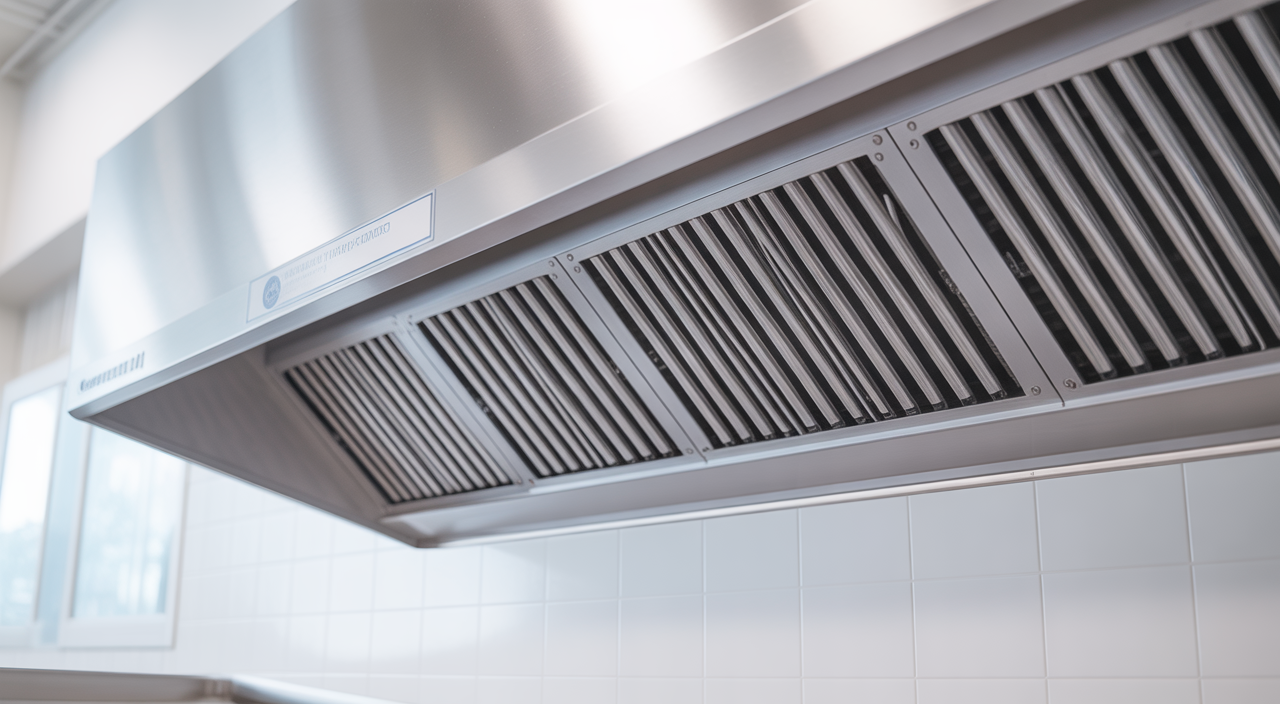
Many people think of a kitchen hood as just the metal canopy above the stove. In truth, a kitchen exhaust system is a network of components. It starts with the hood. Then, it moves through filters, ductwork, and finally out through an exhaust fan on the roof. This entire exhaust system works to pull away smoke, heat, and grease-laden vapor from your cooking area.Over time, cooking creates significant grease accumulation throughout this system. This sticky, flammable substance coats the inside of the hood, filters, and even the hidden ductwork. When this grease builds up, it severely affects the system’s ability to provide proper ventilation. This means your kitchen gets hotter and smokier. More importantly, it becomes a serious fire risk.
Why Professional Kitchen Hood Cleaning is Non-Negotiable
Ignoring your kitchen exhaust system can lead to severe consequences. Regular professional cleaning offers many benefits that protect your business.
Fire Safety: Your #1 Priority
Grease fires are a terrifying reality in commercial kitchens. When flames from the stovetop reach a buildup of grease in the hood or ducts, a small fire can quickly become an uncontrolled blaze. This is why fire prevention is the most important reason for professional cleaning. Expert cleaners remove this flammable grease. They significantly reduce the risk of a catastrophic fire. This protects your property and, most importantly, the lives of your staff and customers.
Regulatory Compliance: Avoiding Costly Fines & Shutdowns
Commercial kitchens must follow strict rules to operate. The National Fire Protection Association (NFPA) publishes Standard 96. This standard sets clear guidelines for the inspection and cleaning of commercial kitchen exhaust systems. Local fire marshals and health departments enforce these rules. If your system is not cleaned according to NFPA 96 standards, you could face hefty fines. You might even have your business shut down. Professional cleaners understand these complex rules. They provide the necessary documentation to show your compliance.
Operational Efficiency & Equipment Longevity
A clean exhaust system works better. When ducts are choked with grease, the exhaust fan has to work much harder. This uses more energy and puts a strain on the motor. Regular cleaning ensures smooth airflow. It helps your kitchen equipment run efficiently and last longer. This saves you money on energy bills and expensive repairs or replacements.
Health & Hygiene: A Cleaner Environment
A greasy exhaust system affects the air your staff and customers breathe. Poor ventilation can lead to unpleasant odors. It can also create an uncomfortable working environment for your kitchen team. A clean system improves indoor air quality. It helps maintain a hygienic space. This also helps with pest control, as grease can attract unwanted visitors. Just like your home needs professional cleaning standards, your commercial kitchen demands it too.
The Professional Kitchen Hood Cleaning Process: What to Expect from Experts
A thorough kitchen hood cleaning service involves more than just a quick wipe down. Professional technicians follow a detailed process to ensure every part of your exhaust system is spotless.
- Pre-Service Inspection & Assessment: The process begins with a careful look at your entire system. Technicians check the hood, filters, ductwork, and exhaust fan. They note any heavy grease buildup or damage.
- Disassembly & Protection: Filters are removed for cleaning. Access panels in the ductwork are opened. The kitchen area below is covered with heavy-duty tarps to protect your cooking equipment and floors from cleaning solutions and grease.
- Deep Cleaning & Degreasing: This is where the magic happens. Specialized tools, including scrapers, brushes, and high-pressure washers, are used. Powerful, eco-friendly degreasing agents break down stubborn grease. Every part of the hood, plenum (the space above the filters), ductwork, and exhaust fan is cleaned down to the bare metal. This deep cleaning kitchen exhaust ensures no greasy residue is left behind.
- Reassembly & Final Polish: Once all components are thoroughly cleaned and rinsed, they are put back together. Filters are returned to their places. Access panels are securely closed. The stainless steel surfaces of the hood are polished to a shine.
- Post-Service Reporting & Certification: A reliable service will provide a detailed report of the work done. This often includes before-and-after photos. They will also attach a sticker to your hood, indicating the cleaning date and when the next service is due. This documentation is crucial for showing compliance to fire inspectors.
How Often Should You Schedule Professional Cleaning?
The frequency of your professional kitchen hood cleaning depends on several factors:
- Type of Cooking: High-volume cooking with solid fuels (wood, charcoal) or heavy grease production (frying, grilling) requires more frequent cleaning.
- Volume of Cooking: A busy restaurant operating all day needs cleaning more often than a small cafe with limited cooking.
- Operational Hours: The more hours your kitchen operates, the faster grease will build up.
NFPA 96 provides general guidelines:
- Monthly: For solid-fuel cooking operations (wood-burning stoves, charcoal grills).
- Quarterly (Every 3 Months): For high-volume cooking operations like 24-hour restaurants, charbroiling, or wok cooking.
- Semi-Annually (Every 6 Months): For moderate-volume cooking.
- Annually (Once a Year): For low-volume cooking, such as churches, schools, or businesses with limited cooking activity.
It is always best to consult with a professional service. They can assess your specific operation and recommend a suitable kitchen exhaust system maintenance schedule.
Understanding Kitchen Hood Cleaning Costs: What Impacts Pricing?
The cost of professional kitchen hood cleaning is not fixed. Several factors influence the final price:
- System Size and Complexity: Larger hoods, longer duct runs, and more fans will naturally cost more to clean.
- Level of Grease Accumulation: If your system has not been cleaned in a long time, or if grease buildup is extremely heavy, it will require more effort and time. This can increase the cost.
- Accessibility: If parts of the system are hard to reach, requiring specialized equipment or extra labor, this can affect pricing.
- Location: Prices can vary based on your geographic location and local labor costs.
While comparing restaurant hood cleaning cost estimates, remember that value is more important than just the lowest price. A cheaper service might not do a thorough job, leading to compliance issues or increased fire risks down the line. Investing in a quality service is a long-term saving. It protects you from costly emergencies and fines.
Choosing the Right Kitchen Hood Cleaning Service: Key Questions to Ask
Selecting the right partner for your kitchen’s safety is crucial. Here are important questions to ask any potential kitchen hood cleaning service:
- Are they certified and trained according to NFPA 96 standards?
- Do they provide before-and-after documentation of the cleaning?
- Are they fully licensed and insured? This protects your business if an accident occurs.
- Can they clearly explain their detailed cleaning process?
- Do they offer flexible scheduling to minimize disruption to your operations?
- Do they provide a clear and transparent commercial hood cleaning quote with no hidden fees?
- What are their emergency service options, if any?
For a trusted and certified partner in kitchen hood cleaning service, consider reaching out to Regency Hood Services.
Why Professional Services Stand Out
Choosing a professional kitchen hood cleaning service means choosing expertise and peace of mind. Trained technicians have the specialized tools, knowledge, and experience to clean your entire exhaust system properly. They ensure every part meets safety and regulatory standards. This commitment to thoroughness reduces fire risk, maintains hygiene, and keeps your operations running smoothly. Partnering with professionals is an essential part of any efficient waste management and overall business safety plan.
Conclusion: Invest in Safety, Hygiene, and Peace of Mind
Your commercial kitchen is the heart of your business. Protecting it with regular, professional kitchen hood cleaning service is an investment, not an expense. It ensures the safety of your staff and customers. It keeps you compliant with strict regulations. It also helps your equipment last longer and run more efficiently. Don’t wait for a problem to arise. Proactive cleaning prevents emergencies and saves you money in the long run.Ready to protect your investment and ensure a clean, compliant kitchen? Visit Regency Hood Services to learn more and request a free quote for your kitchen hood cleaning service needs.
Frequently Asked Questions (FAQs)
Q1: What is NFPA 96, and why is it important for my kitchen?
A1: NFPA 96 is a safety standard from the National Fire Protection Association. It provides guidelines for fire protection in commercial cooking operations. Following NFPA 96 is crucial because it ensures your kitchen exhaust system is installed, maintained, and cleaned to prevent grease fires and other hazards. Local fire departments use it to enforce safety regulations.
Q2: Can I clean my kitchen hood system myself to save money?
A2: While you can wipe down visible surfaces of your hood, deep cleaning the entire exhaust system is a complex job. It requires specialized tools, cleaning agents, and training to reach hidden areas like the ductwork and exhaust fan. DIY cleaning often leaves significant grease buildup, which doesn’t meet NFPA 96 standards and still poses a fire risk. Professional services ensure a complete and compliant clean, protecting your business and staff.