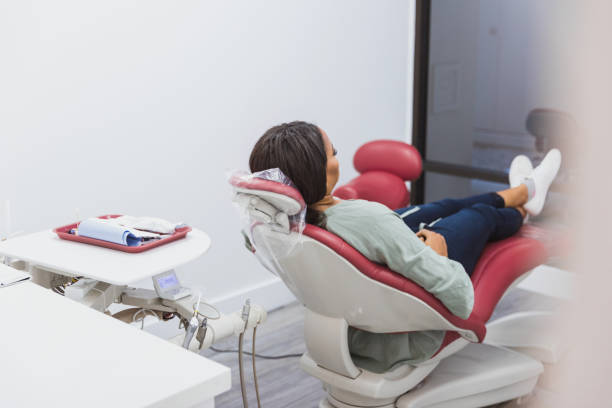

Is Aspen Dental Expensive Even With Insurance? Why Bills Can Still Be High
Having dental insurance is supposed to reduce stress, not add to it. Yet many insured patients walk out of Aspen Dental surprised by how much they still owe. This leads to a common question: how can a dental visit be expensive even when insurance is involved?
The issue is not usually insurance itself. It is how treatment plans, pricing, and estimates are handled inside a large corporate dental system.
Why Insurance Does Not Always Mean Lower Bills
Insurance coverage helps, but it does not guarantee low out-of-pocket costs. At Aspen Dental, several structural factors tend to push final bills higher than patients expect.
Aggressive Treatment Plans
One of the most frequently cited concerns is overtreatment. Former employees, patient reviews, and investigations suggest that dentists at corporate chains may operate under strong production targets set by management.
This can lead to treatment plans that include:
- Deep cleanings instead of routine cleanings
- Multiple extractions recommended early
- Add-on procedures framed as urgent
Deep cleaning, also called scaling and root planing, is a major cost driver. Insurance may only partially cover it, leaving patients responsible for hundreds of dollars even after benefits apply.
Financing Before Insurance Is Final
Another common complaint is how quickly financing enters the conversation.
Patients often report that:
- Offices calculate the full estimated cost upfront
- Financing options like CareCredit are encouraged immediately
- Insurance is billed later, not first
If insurance ends up paying more than expected, refunds for overpayment can be slow or difficult. This creates the feeling that patients are paying before knowing what insurance will actually cover.
Insurance Estimates That Change Later
Insurance estimates are not guarantees, but many patients are not told that clearly.
Problems often arise when:
- A procedure is described as “covered”
- Insurance later denies or downgrades the claim
- A bill arrives weeks or months after treatment
Patients commonly say they would have made different decisions if they had known the true out-of-pocket cost ahead of time.
Higher Base Pricing
Even when insurance pays its share, Aspen Dental’s underlying fees matter.
Corporate dental chains often have:
- Higher “usual and customary” rates
- Standardized pricing that does not reflect local market costs
If your insurance covers 50 percent of a procedure, a higher base price still means a higher bill. In some cases, patients report paying more with insurance at Aspen Dental than paying cash at a local independent dentist.
Hidden Fees and Upgrades
Another source of frustration is charges that insurance does not fully cover.
Patients often report extra costs for:
- Denture material upgrades
- Additional imaging
- Ancillary fees not clearly explained upfront
These items may be optional, but they are often presented as necessary, which inflates the final bill.
Why This Happens More at Corporate Chains
Aspen Dental operates on a high-volume, centralized business model. That model prioritizes efficiency and standardized processes, but it can also create pressure to:
- Maximize procedures per visit
- Bundle treatments into large plans
- Emphasize financing over phased care
Independent dentists usually have more flexibility to stage treatment over time, which helps patients spread costs more naturally.
How to Protect Yourself Financially
Insurance does not protect you automatically. You have to be proactive.
Verify Coverage Yourself
Before approving treatment, log into your insurer’s portal or use a cost estimator tool to check realistic coverage amounts for each procedure code. This shows you fair market pricing, not just office estimates.
Demand an Itemized Treatment Plan
Ask for a written breakdown that includes:
- Every ADA procedure code
- What insurance is expected to pay
- What you are expected to pay
If an office cannot provide this clearly, that is a warning sign.
Be Careful With Immediate Financing
Do not feel obligated to finance the full plan upfront. Ask whether treatment can be phased so insurance can be billed first and balances adjusted accurately.
Get a Second Opinion for Large Plans
If you are told you need thousands of dollars in work or a deep cleaning for the first time, take that plan to an independent dentist. Many patients report significantly different recommendations elsewhere.
Review Your Explanation of Benefits
After treatment, compare your final bill with the Explanation of Benefits from your insurance company. This is how you catch duplicate charges, incorrect balances, or denied claims passed on to you improperly.
Bottom Line
Yes, Aspen Dental can be expensive even with insurance. The high bills usually stem from aggressive treatment planning, higher base fees, and insurance estimates that change after the fact.
Insurance reduces cost, but it does not prevent overspending when plans are rushed or poorly explained. Patients who slow the process, verify coverage themselves, and seek second opinions tend to avoid the worst surprises.
Dental insurance is a tool, not a shield. How it is used matters just as much as having it.