
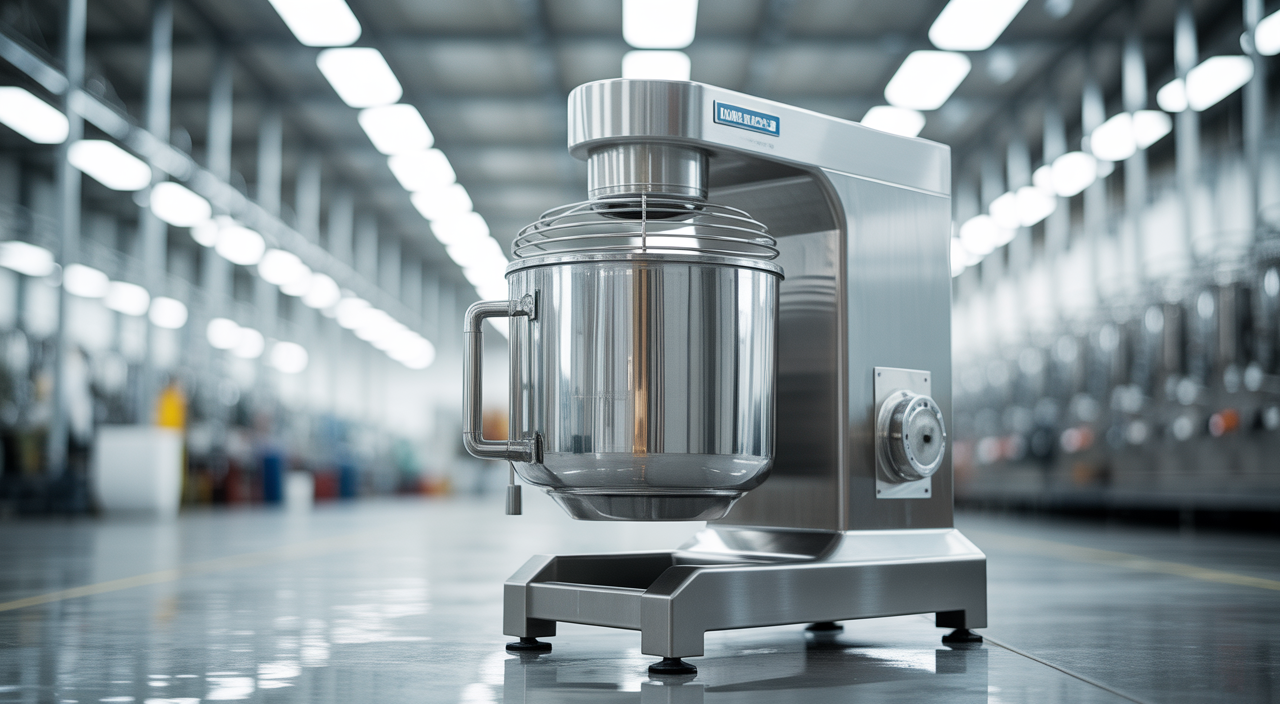
The Ultimate Guide to Drum Mixer Blenders: Achieving Perfect Homogeneity in Industrial Processes
Is achieving consistent, perfectly blended materials a challenge in your industrial process? In many industries, the quality of a final product relies heavily on how well its ingredients are mixed. Inconsistent blending can lead to wasted materials, reduced product quality, and unhappy customers. This is where a reliable drum mixer blender becomes invaluable.This guide will explore everything you need to know about these essential machines. We will look at what they are, how they work, and why they are so important. You will also learn about their many applications across various industries. By the end, you will understand how these blenders can significantly improve your production quality and efficiency.
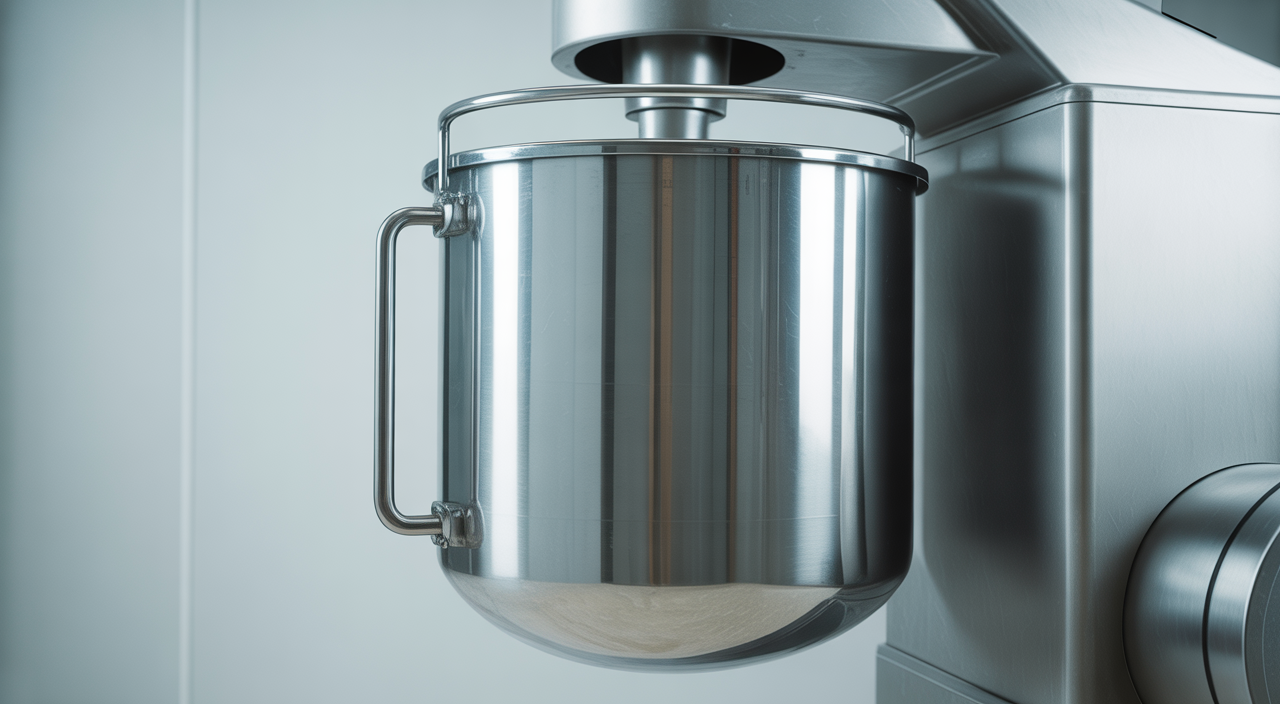
What Exactly is a Drum Mixer Blender? Demystifying the Mechanism
A drum mixer blender is a type of industrial equipment designed to mix dry powders, granules, and sometimes liquids or pastes inside a sealed drum or container. Think of it like a very precise, gentle tumble dryer for your ingredients. The machine uses a controlled rotation to mix materials thoroughly. This ensures every part of the mixture is uniform.The core function involves rotating a drum, barrel, or container in a specific way. This rotation causes the materials inside to tumble and intermix. There are no internal mixing blades or impellers. This method is especially good for delicate materials that might be damaged by harsh mixing.Key components usually include the drum or container itself, often made of stainless steel for hygiene. A robust drive system provides the rotational power. A sturdy frame supports the drum, and a control panel allows operators to manage mixing speed and time. The magic lies in achieving homogeneity, which simply means every sample of the final mixture has the exact same composition. This is crucial for product quality.
Why Choose a Drum Mixer Blender? Key Benefits for Industrial Efficiency
Choosing the right mixing equipment can transform your operations. Drum mixer blenders offer many advantages that boost efficiency and product quality. Let’s look at the main benefits.
Unmatched Homogeneity & Consistency
The primary benefit is achieving incredibly uniform blends. This solves the common problem of inconsistent product batches. Each part of your material will have the same composition, reducing waste and ensuring high product quality every time.
Versatility Across Materials
These blenders handle a wide range of materials. They are perfect for powders, granules, and even delicate items. They can also mix some liquids or pastes in specialized containers. This versatility makes them suitable for many different industrial needs.
Ease of Operation & Cleaning
Drum blenders are generally simple to operate. Loading and unloading drums is straightforward. Since mixing happens inside a sealed container, cleaning is minimized to just the drum itself, often done off-line. This greatly reduces downtime and labor costs.
Reduced Contamination Risks
Because the mixing occurs within a closed, sealed drum, the risk of external contamination is very low. This is vital in industries where purity is paramount. It also protects operators from dust and fumes.
Cost-Effectiveness & ROI
Investing in a quality drum blender can lead to significant savings. They are often energy-efficient, and their ability to produce consistent batches reduces material waste. Less downtime for cleaning also means more production time, improving your return on investment. Efficient industrial waste recycling practices can also contribute to overall cost reduction.
Enhanced Operator Safety
With materials contained within the drum, operators have minimal exposure to powders or chemicals. Many systems include safety interlocks and emergency stop features. This makes the workspace much safer for everyone.
Applications: Where Drum Mixer Blenders Shine Brightest
Drum mixer blenders are workhorses in numerous sectors. Their gentle yet effective mixing makes them ideal for many critical processes.
Pharmaceutical Industry
In pharmaceuticals, precision is key. Drum blenders are used for mixing active pharmaceutical ingredients (APIs) with excipients (inactive ingredients). They meet strict cGMP (current Good Manufacturing Practices) requirements. This ensures consistent dosage and product safety.
Food & Beverage
From spices and seasoning mixes to instant beverage powders and nutritional supplements, drum blenders ensure every packet tastes the same. They prevent ingredient segregation and maintain quality. They are also used by powder supplement manufacturers to ensure uniform distribution of ingredients.
Chemical Processing
The chemical industry uses these blenders for pigments, polymers, fertilizers, and specialty chemicals. They handle abrasive or sensitive materials without damage. The enclosed system also minimizes exposure to hazardous substances.
Cosmetics & Personal Care
Mixing powders for makeup, bath salts, or ingredients for creams and lotions often requires gentle handling. Drum blenders achieve smooth, lump-free products, critical for cosmetic appeal.
Other Industries
These blenders also find use in plastics (mixing additives), ceramics (blending raw materials), and metallurgy (powdered metal blending). Anywhere batch processing of dry goods is needed, a drum blender can be an excellent choice.
Types of Drum Mixer Blenders: Finding Your Perfect Fit
Not all drum blenders are created equal. Different types cater to specific needs and materials.
Tumble Blenders (V-Blenders, Double Cone Blenders)
These are very common. They include V-Blenders and Double Cone Blenders. They gently tumble materials on a diagonal or horizontal axis. This promotes efficient mixing without high shear. They are ideal for delicate, free-flowing powders.
Drum Rollers
For simpler mixing or when drums need to be continuously agitated, drum rollers are used. They simply roll a sealed drum horizontally. This is effective for less critical blends or to prevent settling.
Lift & Tilt Blenders
These machines lift a drum, rotate it, and can also tilt it for easy discharge. They offer ergonomic benefits for operators. This reduces manual handling and spillage. They are versatile for different drum sizes.
Specialized & Custom Drum Blenders
For unique industrial process needs, specialized blenders are available. These might include features like vacuum capabilities for oxygen-sensitive materials or heating/cooling jackets for temperature control during mixing. Custom solutions ensure the blender perfectly fits your workflow.
Essential Considerations When Choosing Your Drum Mixer Blender (Buyer’s Guide)
Selecting the right drum mixer blender requires careful thought. Here are the key factors to consider.
- Material Characteristics: What are you mixing? Consider its density, flowability, abrasiveness, and moisture content. This affects the blender design and material of construction.
- Batch Size & Throughput Requirements: How much material do you need to mix in one go, and how often? This will determine the required capacity of your blender.
- Drum Type & Size Compatibility: Will you use standard drums or specific containers? Ensure the blender can securely hold and rotate your chosen drums.
- Material of Construction: For hygiene and durability, stainless steel (like 304 or 316L) is common, especially with specific surface finishes for food or pharma.
- Safety Features & Controls: Look for emergency stops, interlocks that prevent operation when guards are open, and options for explosion-proof environments if needed.
- Regulatory Compliance: For industries like pharmaceuticals or food, ensure the blender meets standards such as FDA, cGMP, or ATEX directives.
- Automation & Integration: Do you need programmable logic controllers (PLCs) for automated cycles or data logging for batch records?
Maximizing the Life of Your Drum Blender: Maintenance & Best Practices
Proper care ensures your drum blender serves you for years.
Regular Cleaning Protocols
Establish strict cleaning schedules to prevent cross-contamination between batches. Follow manufacturer guidelines for cleaning agents. Pay attention to all contact surfaces to maintain hygiene standards.
Preventative Maintenance Schedule
Regular checks and maintenance are crucial. Lubricate moving parts as recommended. Inspect the drive system, bearings, and safety features regularly. Address any wear and tear promptly.
Troubleshooting Common Issues
Familiarize yourself with common operational issues. This includes unusual noises or inconsistent mixing. Early detection of problems can prevent larger breakdowns. Always refer to your user manual for guidance.
Operator Training & Safety Guidelines
Ensure all operators are fully trained on how to use the blender safely and efficiently. Clear safety guidelines should be posted and followed. This prevents accidents and ensures optimal performance.
Why Our Drum Blenders Stand Out: A Solution You Can Trust
When it comes to precision and reliability, our drum blenders are engineered for excellence. We understand the critical nature of industrial mixing. That is why our machines are built with precision engineering and robust construction. This ensures long-lasting performance and consistent results.We offer extensive customization options. This means we can tailor a drum blender to your exact specifications and unique process needs. Our team provides expert support and comprehensive after-sales service. We are committed to your success. Explore our complete range of high-performance drum mixer blender solutions designed for superior mixing results and operational longevity.
Conclusion: Achieve Mixing Excellence with the Right Partner
Drum mixer blenders are indispensable tools for achieving perfect homogeneity in various industrial processes. Their ability to deliver consistent quality, enhance safety, and improve operational efficiency makes them a smart investment. Choosing the right one means considering your materials, batch size, and specific industry requirements.Ready to transform your mixing process and ensure unparalleled product consistency? Visit Metosystems’ Drum Blenders page today to learn more or request a custom quote!
Frequently Asked Questions (FAQs)
Q1: How do drum mixer blenders achieve such uniform mixing without internal blades?
A1: Drum blenders achieve uniformity through a gentle tumbling action. As the drum rotates, materials are lifted and folded over themselves repeatedly. This creates a cascade effect that thoroughly intermixes particles over time, ensuring every part of the mixture becomes homogeneous.
Q2: Can a drum mixer blender handle different sized drums?
A2: Many drum blender models are designed to accommodate a range of drum sizes using adjustable clamps or interchangeable platforms. However, it is essential to check the specific model’s specifications. Some specialized blenders might be built for a fixed drum size for optimal performance.