
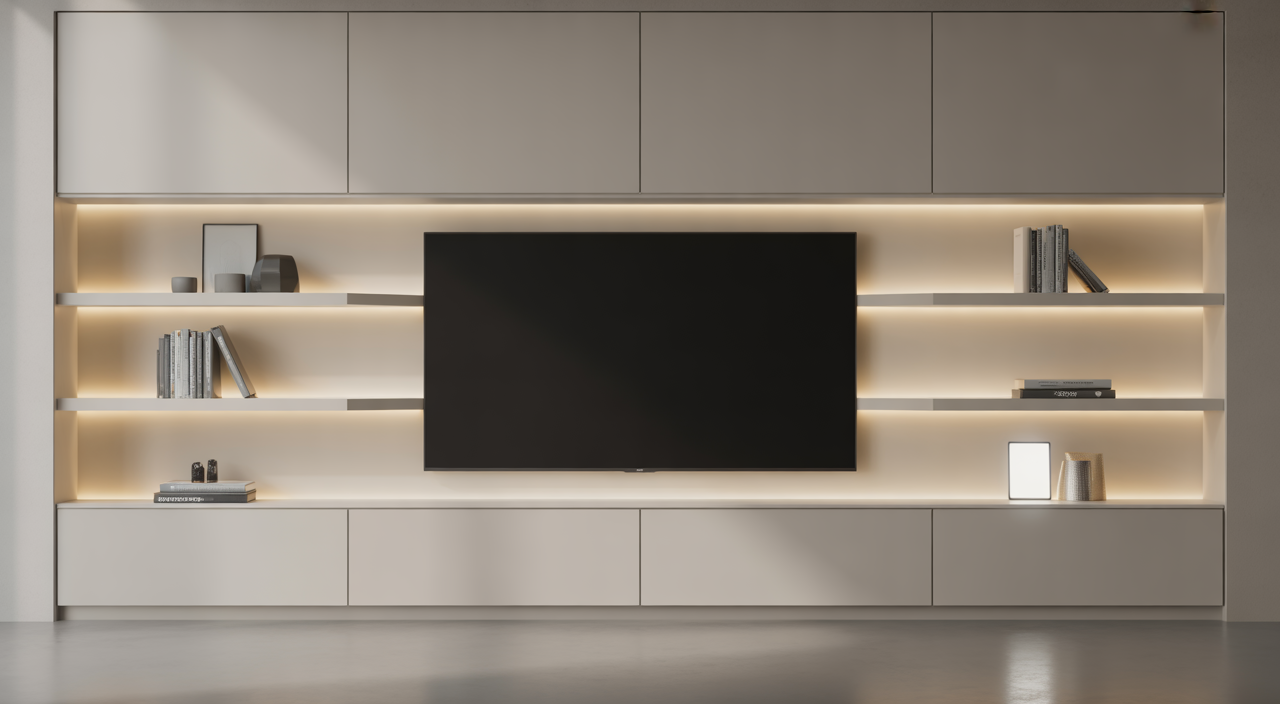
The Ultimate Guide to Media Walls with Shelves: Styles, Costs & Installation
What are media walls with shelves and are they worth it?
If you love a clean, modern living room but hate cable clutter and bulky TV stands, a media wall could be the perfect upgrade. In simple terms, media walls with shelves are custom or modular units that frame your TV, hide wires and give you smart storage for books, décor and devices. They turn a plain wall into a stylish feature and also make your space feel more organised.
Today you can choose from sleek floating designs, built-in units and modular systems that fit both compact flats and larger homes. To see how different layouts, finishes and lighting options look in real rooms, browse this curated collection of media walls with shelves that doubles as both an inspiration gallery and a ready-to-buy catalogue.
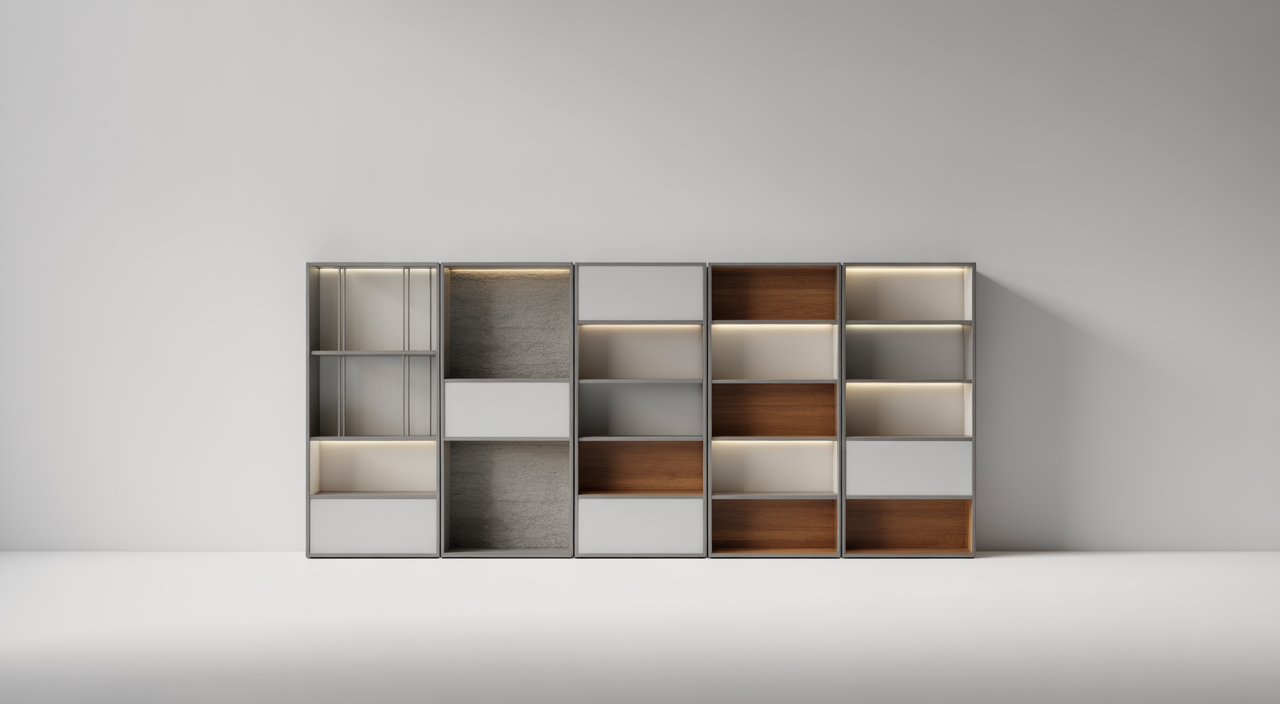
This guide walks you through what a media wall is, key styles and materials, how to measure correctly, typical UK costs and whether you should DIY or hire a professional installer. By the end, you will be ready to pick a design that suits your budget, your room and your lifestyle.
What is a media wall with shelves?
A media wall is a dedicated feature wall built around your TV and audio setup. It often includes shelving, cupboards, LED lighting and space for speakers, soundbars and consoles. Think of it as a wall-mounted entertainment centre that looks like part of your home, not a separate piece of furniture.
When you add shelves, you gain space for décor, photos, plants and storage baskets. You also get better cable management because wires run behind the panels or through hidden channels. The result is a tidy, high-end look that works in living rooms, family rooms or even bedrooms.
Top styles and materials for modern homes
Media walls come in many styles, from simple floating TV shelving to full-height living room storage walls. Here are some popular options.
1. Built-in vs modular media walls
- Built-in media walls: These are custom-made to fit your exact wall, ceiling height and TV size. They use studwork or cabinetry and are plastered or panelled for a seamless finish. Perfect if you plan to stay in your home long term and want a premium, “made for the house” look.
- Modular or freestanding units: These are pre-designed TV unit shelving systems that you assemble and fix to the wall. They offer more flexibility if you rent, move often or prefer a shorter installation time.
2. Materials to consider
- Engineered wood / MDF: Smooth finish, paint-friendly and budget-friendly. Great for minimalist or contemporary media wall units with drawers and clean lines.
- Solid wood or oak: Warm, natural look that suits classic, rustic or modern Indian homes that blend wood with neutral walls. Usually costs more but feels very premium.
- Metal frames: Slim, industrial-style frames pair well with floating TV shelving and open shelves for books and speakers.
- Glass shelves: Best used as accents with LED lights for a light, airy feel. Ideal for displaying décor, but avoid overloading them with heavy items.
How to measure and plan your media wall
Good planning is the secret to a neat, balanced media wall. Here is a simple step-by-step approach you can follow at home.
- Measure the wall Measure total width, height and any skirting or coving. Note plug points, switches and windows that might affect the layout.
- Check your TV size Use the TV’s actual width and height, not just the diagonal size mentioned on the box. Leave at least 10–15 cm space around the screen so it does not look cramped.
- Plan shelf zones Decide where the TV will sit, then plan shelves above, below and beside it. For a balanced look, keep heavier closed cabinets at the bottom and lighter open shelves at the top.
- Think long term Leave room for a future larger TV and extra devices. A simple trick is to design for one size up from your current TV.
If you enjoy step-by-step visual guides, you might also like reading about how lighting and screens interact in home setups in this article on choosing between LED and LCD for media wall installation.
Cost breakdown and budgeting tips
Costs vary based on size, material and whether you go for built-in or modular units. Here is a simple guideline for the UK and similar urban markets.
- Modular media wall units: Roughly £400 to £1,200 for standard units with shelves and basic storage.
- Custom built-in walls: Usually between £1,500 and £4,000 or more including carpentry, finishes and cable management.
- Extras: LED strip lights, sound system housing, glass shelves or premium finishes can add £200 to £800 depending on the design.
To keep costs under control, you can:
- Use MDF for the main structure and add a few solid-wood accent panels.
- Start with open shelves and add doors or drawers later when budget allows.
- Prepare the wall in advance by moving plug points and internet sockets to the right spot before installation day.
Installation and maintenance basics
You can install simpler modular media walls yourself if you are comfortable with drills, wall plugs and basic tools. Always check your wall type first, whether it is brick, concrete or hollow partition, so you can choose the right fixings.
For heavy TVs, integrated media cabinetry or complex cable routing, a professional installer or carpenter is a wise investment. They can also coordinate with electricians to add new sockets, LED lighting and hidden cable routes safely.
Maintenance is straightforward:
- Dust shelves regularly with a soft cloth, especially around vents for consoles and speakers.
- Keep cables labelled so you can change devices easily without creating a tangle.
- Check fixings once or twice a year for any sign of movement, especially on floating shelves.
Design ideas for Indian investors and homeowners
If you are planning a new flat or renovating an existing home, a media wall can boost both comfort and perceived property value. For Indian investors who often focus on compact urban spaces, a slim media wall with cabinets at the bottom and open shelves above can replace multiple pieces of bulky furniture.
Popular ideas include:
- Combining a TV backboard with shelves and a low puja shelf in a corner, keeping the look calm and uncluttered.
- Adding LED media wall shelving with warm white strips for evening ambience and lower energy use.
- Using modular shelving systems that tenants can reconfigure, making rental units more attractive without major civil work.
For more ways to upgrade interiors smartly and boost long-term value, you can explore this guide on the art and science of home appraisal.
Why consider Devin Furniture for your media wall
When you are ready to move from ideas to action, it helps to work with a specialist that understands both design and practical installation. A focused media wall range gives you:
- Curated styles from minimal floating layouts to full-height storage walls.
- Options for different TV sizes, room widths and ceiling heights.
- Clear pricing and the ability to compare finishes, colours and shelf layouts easily.
Instead of coordinating multiple suppliers for cabinets, lighting and shelving, you can select a single design that already balances style, storage and strength. This keeps your project simple, predictable and enjoyable.
FAQs about media walls with shelves
Q1. Can I install a media wall with shelves in a rented home?
Yes, in many rentals you can install lighter modular media walls as long as you repair the wall when you leave. Choose units that spread weight across several fixings and avoid major structural changes. Always check your tenancy agreement and get written permission from the owner.
Q2. How much weight can the shelves hold?
It depends on the material, thickness and type of fixing. As a simple guide, most well-installed wooden shelves can hold books, small speakers and décor items comfortably. For very heavy objects, such as large amplifiers or many books, ask the supplier for specific weight ratings and use stronger brackets or additional supports.
Q3. What is the best height to mount the TV in a media wall?
The centre of the screen should be close to your eye level when you sit on the sofa. For most people, this is around 100 to 110 cm from the floor to the centre of the TV. If your seating is lower or higher than average, adjust slightly so you do not have to strain your neck.
Q4. Are LED lights in media wall shelving safe?
Quality LED strips that are correctly installed and ventilated are safe and also energy efficient. Keep power supplies accessible for maintenance and avoid covering LEDs with fabric or paper. If in doubt, ask a qualified electrician to connect the lighting for you.