The Ultimate Guide to Wastewater Dredging: Efficient Sludge Management for Treatment Facilities
Do you manage a wastewater treatment plant or industrial facility? Are you facing issues with reduced pond capacity, declining treatment efficiency, or struggling to meet environmental regulations? These problems often point to one common culprit: the accumulation of sludge.
Sludge is a thick, muddy material that settles at the bottom of lagoons and ponds. Over time, it builds up. This buildup can severely impact your facility’s operation. That’s where wastewater dredge technology comes in. It offers a powerful solution to these challenges.
This guide will explain what wastewater dredging is. We will cover why it’s so important. We will also look at how it works, the challenges involved, and the many benefits it brings. Our aim is to help you understand this vital process better.
What is Wastewater Dredging and Why is it Essential?
Defining Wastewater Dredging
Wastewater dredging is the process of removing accumulated sludge, sediment, and other solids from wastewater lagoons, ponds, and industrial settling basins. It’s different from navigation dredging, which focuses on deepening waterways for ships. This type of dredging specifically targets the waste materials within treatment systems.
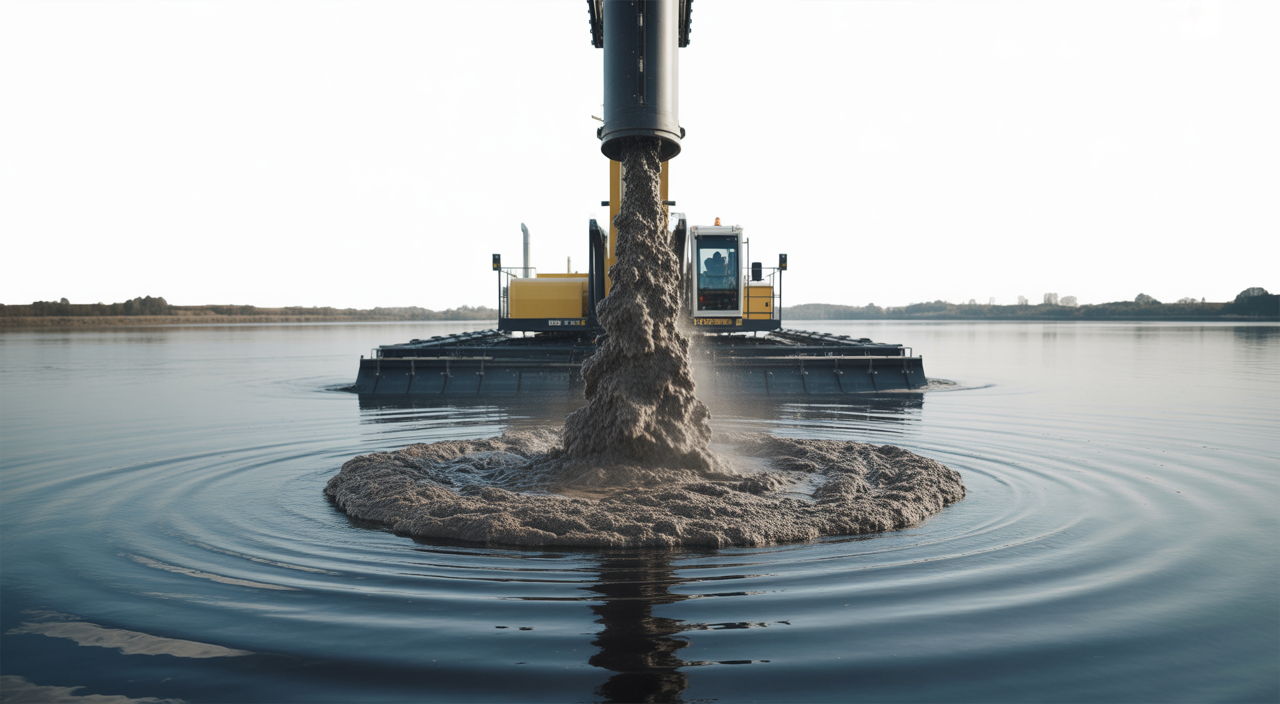
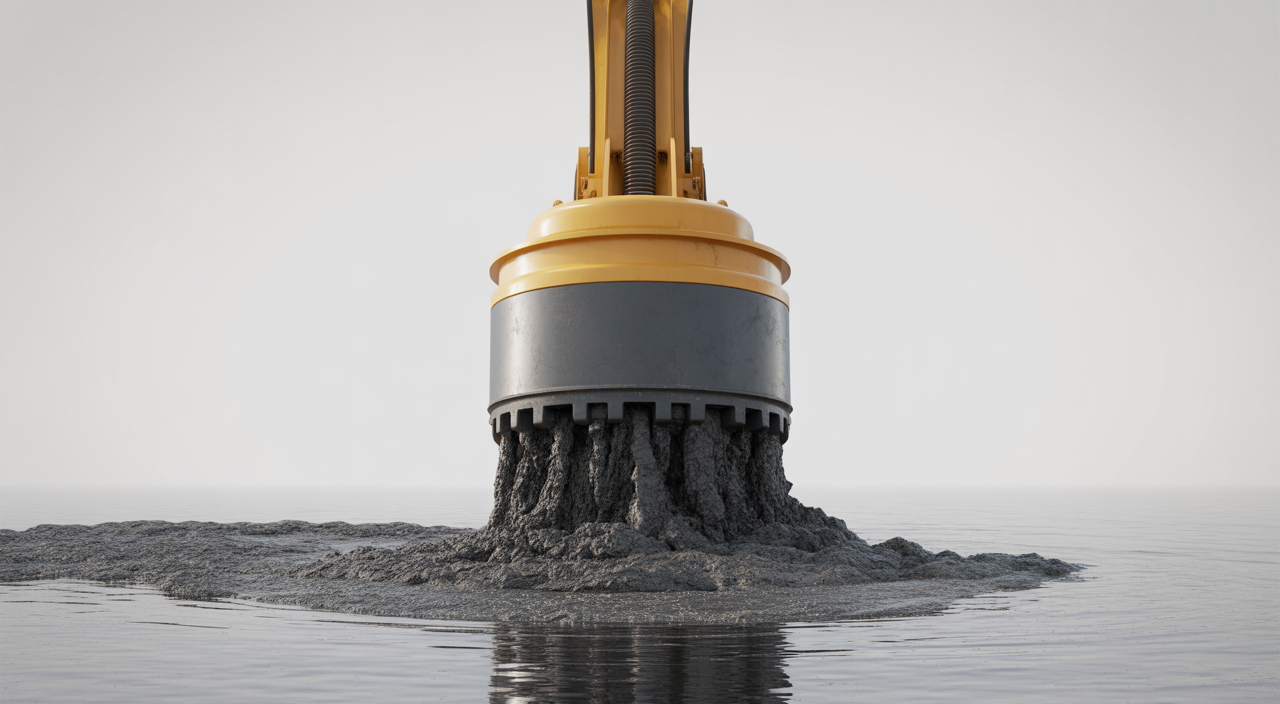
Dredges are specialized machines. A quality wastewater dredge acts like a powerful underwater vacuum cleaner. They suck up the dense sludge from the bottom of these water bodies. This material is then pumped away for further processing or disposal.
The Critical Role of Sludge Removal
Removing sludge is not just about cleaning. It is crucial for the overall health and efficiency of your wastewater system. Here’s why:
- Maintaining & Restoring Capacity: Sludge takes up valuable space in your lagoons. This reduces their holding capacity. Regular sludge removal restores the original volume, allowing your facility to handle more wastewater effectively.
- Ensuring Treatment Efficiency: Excessive sludge can hinder the biological processes that treat wastewater. It can create anaerobic (oxygen-free) zones. This leads to less effective contaminant removal, like BOD (Biological Oxygen Demand) and COD (Chemical Oxygen Demand). Dredging helps maintain optimal treatment conditions.
- Preventing Regulatory Violations: Environmental agencies set strict limits on discharge quality. Sludge accumulation can make it hard to meet these limits. This can lead to costly fines and legal issues. Proactive dredging ensures compliance.
- Mitigating Odors & Environmental Impact: Decomposing sludge often releases unpleasant odors. These can bother nearby communities. Proper sludge management through dredging reduces these smells. It also lessens the risk of harmful environmental impacts.
- Extending Infrastructure Lifespan: Heavy sludge can put stress on pond liners and other structures. Removing it protects these assets. This extends the life of your facility and reduces future repair costs.
Common Challenges in Wastewater Sludge Removal
Wastewater sludge removal is a specialized task. It comes with its own set of unique challenges. These challenges require careful planning and expert execution.
Hazardous Materials & Confined Spaces
Wastewater sludge often contains hazardous substances. This includes toxic gases like hydrogen sulfide (H2S) and methane. These gases pose serious health risks to workers. Dredging operations must follow strict safety protocols. They often use remote-controlled equipment to keep personnel out of harm’s way.
Sludge Density & Consistency
Sludge can vary greatly. It can be a thin, watery slurry or a very thick, consolidated mud. This difference impacts how it’s dredged. The right dredge must be chosen to handle the specific type of sludge efficiently. A dredge designed for light sediment may struggle with dense, caked-on material.
Liner Protection & System Integrity
Many wastewater ponds have synthetic liners to prevent leakage. It is vital to protect these liners during dredging. Any damage can lead to environmental contamination and expensive repairs. Precision and careful operation are key to avoiding such issues.
Odor Control & Environmental Sensitivities
Stirring up sludge can release strong odors. This is especially true during dredging. Managing these odors is important for public acceptance and worker comfort. Minimizing turbidity, which is cloudiness in the water, is also crucial to protect nearby aquatic life.
Navigating Regulatory Compliance
Wastewater dredging projects must comply with many local, state, and national regulations. This includes obtaining permits. It also involves proper characterization and disposal of the dredged material. Understanding and following these rules is essential to avoid penalties.
Types of Wastewater Dredges & Dredging Techniques
Choosing the right equipment for wastewater dredging is critical. Different types of dredges are suited for various conditions and sludge characteristics.
Hydraulic Dredging for Wastewater
Hydraulic dredges are the most common type used in wastewater applications. They use powerful pumps to mix sludge with water. Then, they pump this slurry through a pipeline to a dewatering or disposal area.
- Submersible Dredges: These dredges have their pumps and motors underwater. This type of wastewater dredge is ideal for precise, remote operation in hazardous environments. They can be electric or hydraulic powered.
- Cutterhead Dredges: Equipped with a rotating cutterhead at the suction inlet. These dredges are excellent for breaking up and handling dense, consolidated sludge. The cutterhead helps create a manageable slurry.
- Suction-Only/Auger Dredges: These dredges use a rotating auger or simple suction to draw up softer slurries. They are often chosen for shallower ponds or when very precise removal is needed without disturbing the pond liner.
Hydraulic dredges offer many advantages. These include high solids removal rates, minimal disruption to the water body, and efficient operation.
Mechanical Dredging (Briefly Mention)
Mechanical dredging uses excavation equipment like long-reach excavators or clamshells. While useful for dry or dewatered areas, it’s generally less suitable for active wastewater lagoons. It can cause more turbidity and is often less efficient for large volumes of wet sludge.
Choosing the Right Wastewater Dredge
Selecting the best wastewater dredge depends on several factors:
- Sludge Volume and Characteristics: How much sludge is there? Is it thick, abrasive, or light?
- Pond/Lagoon Size, Depth, and Access Limitations: Can a larger dredge fit? Is the pond deep or shallow?
- Budget and Project Timeline: What are the financial and time constraints?
- Safety Requirements and Environmental Considerations: How hazardous is the sludge? How sensitive is the surrounding environment?
For challenging wastewater applications, selecting the appropriate wastewater dredge technology is paramount. Advanced hydraulic and remote-controlled dredges offer the precision and safety required. They ensure efficient sludge removal without damaging delicate infrastructure. To maximize efficiency, it’s often beneficial to explore options like top-notch dredging equipment for rent, which can provide specialized tools without a large upfront investment.
The Wastewater Dredging Process: From Planning to Disposal
A successful wastewater dredging project involves careful planning and execution. It usually follows a few key phases.
Phase 1: Assessment & Planning
This initial stage is crucial. It begins with a thorough site survey and bathymetric mapping. This maps the bottom of the pond. It identifies sludge depths and volumes. Sludge samples are taken and analyzed to determine its composition. This helps decide the best dredging method and disposal options. All necessary permits are secured during this phase. A detailed project-specific plan is then developed.
Phase 2: Dredging Execution
Once planning is complete, the chosen dredge system is deployed. Operations begin, carefully monitoring flow rates and progress. Safety protocols are strictly followed to protect workers and the environment. The dredge works systematically to remove the sludge, pumping it to a temporary holding or dewatering area.
Phase 3: Sludge Dewatering & Disposal
After being dredged, the sludge slurry often needs dewatering. This removes excess water, reducing its volume. Common methods include using geotextile tubes or belt presses. The dewatered sludge is then transported for off-site disposal. Sometimes, it can be beneficially reused, for example, as soil conditioner, if its composition allows. Environmental rules guide this disposal.
Post-Dredging Monitoring & Maintenance
After dredging, the treated area is monitored to ensure the project goals were met. Regular maintenance checks are often recommended. This includes periodic sampling and surveys. This helps prevent rapid sludge re-accumulation and keeps the system running smoothly. It ensures long-term efficiency.
Benefits of Proactive Wastewater Dredging & Sludge Management
Investing in regular wastewater dredging provides substantial benefits beyond simply removing sludge. It’s a proactive step towards greater efficiency and sustainability.
Enhanced Treatment Performance
By removing accumulated solids, dredging improves the overall functioning of your treatment system. This leads to better water quality. It helps you meet or exceed discharge standards. Your facility can then operate at its peak performance.
Significant Cost Savings & Operational Efficiency
Dredging prevents problems before they become costly emergencies. It reduces energy consumption by improving aeration and mixing. It also decreases the need for chemicals. By extending the life of your infrastructure, it saves on expensive repairs and replacements.
Regulatory Compliance & Risk Mitigation
Consistent sludge removal ensures your facility remains compliant with environmental regulations. This helps you avoid hefty fines and legal complications. It also reduces the risk of environmental incidents. This protects both your reputation and the ecosystem.
Improved Safety & Reduced Liability
Remote dredging techniques minimize human exposure to hazardous sludge and gases. This greatly enhances safety for your personnel. It also reduces potential liability associated with manual cleaning methods in dangerous environments.
Environmental Stewardship & Positive Public Relations
Proactive sludge management shows a commitment to environmental protection. It can reduce odors and improve local water quality. This fosters positive relationships with the community. It also positions your facility as a responsible environmental steward.
Case Studies & Real-World Applications
Municipal Treatment Plant Success
Consider a municipal plant that was struggling with 40% reduced lagoon capacity and facing potential fines. By implementing a regular wastewater dredge program, they restored full capacity within six months, ensuring compliance and significantly improving their community relations. Such efforts consistently lead to reduced operating costs and improved public trust.
Industrial Lagoon Optimization
Industrial facilities, from food processing to mining, face unique challenges often dealing with specialized or hazardous sludge. Advanced dredging solutions help these industries precisely optimize their settling ponds, ensuring their effluent consistently meets stringent environmental standards. This proactive approach also keeps their vital production processes running smoothly and efficiently.
Partnering with the Right Wastewater Dredging Experts
Effective sludge management through dredging is a complex task. It requires specialized knowledge, proper equipment, and experienced personnel. Choosing the right partner can make all the difference for your facility.
An expert team ensures your project is planned carefully. They will execute it safely. They will also manage the dredged materials responsibly. This protects your investment and the environment. Consider how effective strategies like industrial waste recycling can further enhance the environmental benefits of your operations.
Partnering with a trusted provider means you get tailored solutions. These solutions address your specific challenges. They help you achieve long-term operational excellence. It’s about securing the efficiency and sustainability of your wastewater treatment for years to come.
Frequently Asked Questions (FAQs) About Wastewater Dredging
Q: How often should wastewater lagoons be dredged?
A: The frequency of dredging depends on several factors. These include the inflow volume, the type of wastewater, and the original design of the lagoon. Regular monitoring of sludge levels is key. Many facilities find that dredging every 5-10 years is sufficient. Others with high solids loading might need it more often.
Q: Is wastewater sludge hazardous? How is it handled?
A: Yes, wastewater sludge can be hazardous. It often contains pathogens, heavy metals, and other contaminants. Its handling must follow strict regulations. After dredging, sludge is typically dewatered. Then, it is disposed of in approved landfills or processed for beneficial reuse, if safe and compliant.