Ultimate Guide to Organic Indian Snacks: Top 20 Healthy Munchies in India
Why are Organic Indian Snacks Suddenly Everywhere?
Have you noticed how every office desk, gym bag, and kids’ tiffin is slowly getting filled with cleaner, guilt-free munchies? More Indians now read labels, check oils, and ask whether their namkeen is truly organic. That is exactly where Organic Indian snacks come in as the perfect mix of taste and health.
Organic snacks are made from crops grown without harmful chemicals or synthetic pesticides. They also avoid artificial colours, flavours, and many hidden additives. For busy professionals, young parents, and fitness lovers, they offer a simple way to eat better without giving up favourite Indian flavours.
This guide walks you through the top snack types, key ingredients, and smart ways to choose the best options for your lifestyle and budget in India.
What Makes a Snack “Organic” in India?
In simple terms, an organic snack starts with organic farming. That means farmers avoid chemical fertilisers and pesticides and follow strict guidelines set by bodies like FSSAI and international organic standards. These rules protect soil, water, and your health.
When you pick organic namkeen or premium organic chips, you usually get:
- Cleaner ingredients with fewer chemical residues
- Better quality grains, pulses, and spices
- More honest labels and transparent sourcing
Look for symbols of trusted organic certifications on the pack. These small logos are quick shortcuts to safer, farm-fresh snack options.
Why Choose Organic Indian Snacks Over Regular Ones?
For many Indians, the biggest reason is peace of mind. You want that evening chai snack without worrying about what went into it.
Some key advantages are:
- Healthier oils and less junk: Many organic brands focus on no palm oil snacks, using cold-pressed or traditional oils in smaller quantities.
- Fewer artificial additives: Flavour enhancers and synthetic colours are often skipped, which is great for kids and sensitive eaters.
- Better for the planet: Organic farming supports soil health, reduces chemical run-off, and encourages biodiversity.
When you switch your daily munchies to organic versions, those small choices add up over months and years.
Top 20 Types of Organic Indian Snacks to Try
Instead of random picking, it helps to know the main categories of healthy tea-time snacks available today. Here are 20 popular styles you will find on quality platforms in India.
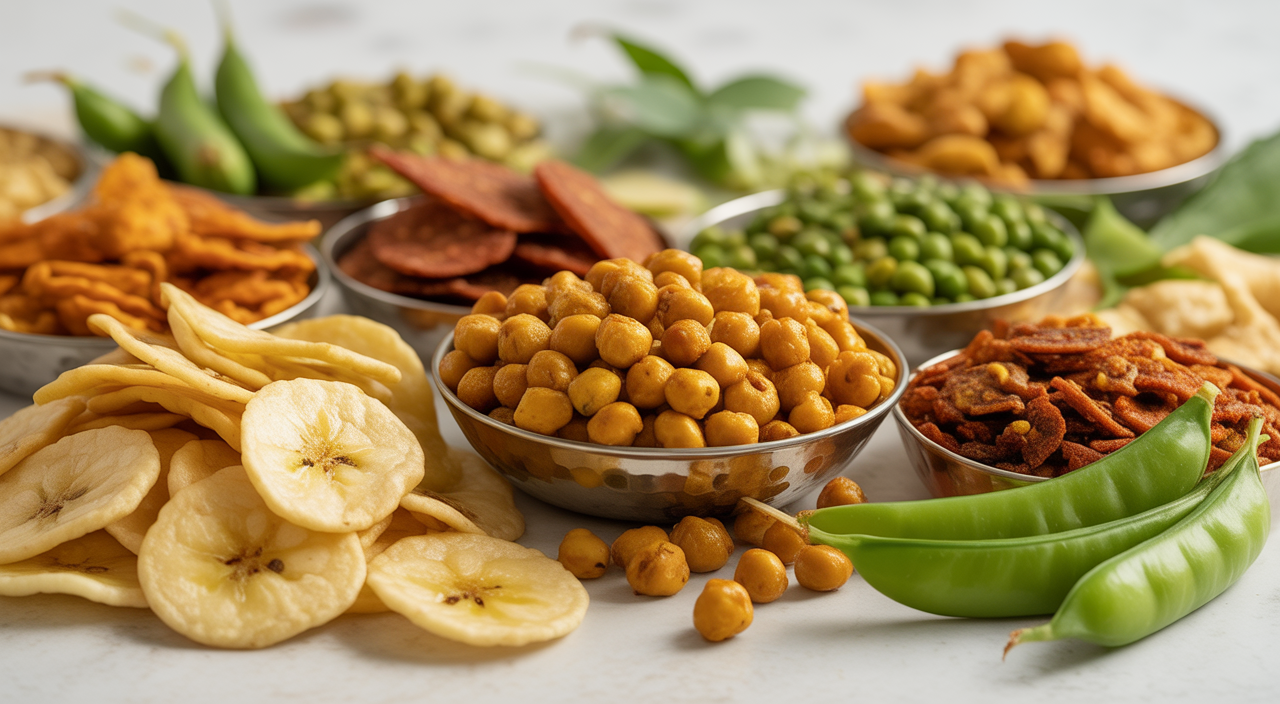
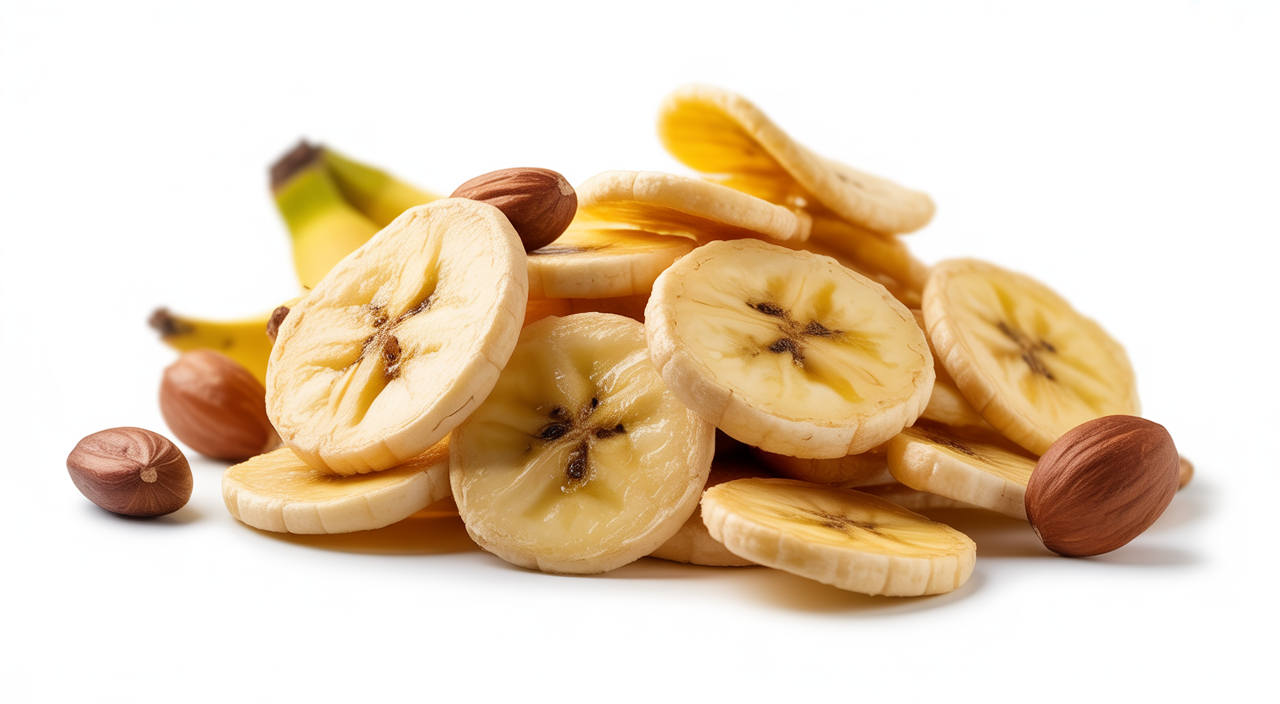
- Banana chips India style: Thin, crunchy slices made from native bananas, often fried in better oils and lightly salted or spiced.
- Spicy green peas snack: Roasted or baked peas coated in masala, high in protein and fibre, perfect for those who love bold flavours.
- Healthy bhuja mixes: A lighter take on traditional bhuja with roasted grains, lentils, nuts, and seeds; often available as gluten-free bhuja.
- Organic millet snacks: Puffs, sticks, or chips made from ragi, jowar, or bajra that support steady energy release.
- Roasted chana and lentil mixes: Crunchy, protein-rich bites that pair well with buttermilk or chai.
- Seed and nut trails: Farm-to-table snacks with pumpkin, sunflower, flax, almonds, and cashews lightly seasoned.
- Baked khakra and crackers: Whole wheat or millet-based, perfect with curd or chutney.
- Gluten-free Indian snack blends: Options based on millets, makhana, and lentils for those avoiding wheat.
- Makhana (fox nuts): Roasted with herbs, pepper, or peri-peri style spices; light yet filling.
- Sprouted grain mixes: Sprouted moong or chana mixes that are easy to digest and nutrient-rich.
- Organic namkeen sev and bhujia: Traditional favourites prepared with better-quality ingredients and cleaner oils.
- Stuffed whole-grain mathri or mini matthi: Baked or lightly fried, often flavoured with ajwain and methi.
- Energy bars with Indian flavours: Dates, nuts, seeds, and desi spices shaped into bars for on-the-go snacking.
- Keto-friendly Indian snacks: Seed crackers, nut mixes, and low-carb savouries for those following specific diets.
- Organic snack boxes India: Curated boxes combining savoury and sweet munchies with portion control.
- Vegan Indian snacks: Plant-based namkeen, chips, and trail mixes free from ghee or dairy ingredients.
- Premium organic chips: Made from root veggies like sweet potato, beetroot, or tapioca with minimal seasoning.
- Jaggery-coated chikki and nut clusters: Traditional sweets using natural jaggery instead of refined sugar.
- Herb-seasoned popcorn: Air-popped with simple spices for movie nights.
- Healthy munch Indian style gift packs: Mixed hampers perfect for festive gifting or office celebrations.
Spotlight on Hero Ingredients
Banana Chips: These are a timeless favourite from South India. When made with organic bananas and cleaner oils, they become a smart replacement for regular potato chips. Try combining them with roasted nuts to create your own tea-time mix.
Healthy Bhuja: A good organic bhuja skips deep frying in poor-quality oil and focuses on roasting. You can boost it further at home by adding chopped tomatoes, onions, coriander, and a squeeze of lemon for a quick, street-style chaat.
Spicy Green Peas: This snack brings crunch, protein, and that satisfying spice hit. It works well as a topping over salads, in snack bowls, or even as a side with soups on cooler evenings.
Why “No Palm Oil” Is a Big Deal
Palm oil is cheap and very common in processed snacks, but many health-conscious Indians now avoid it. Too much refined palm oil in the diet may not support long-term wellness goals.
No palm oil snacks usually focus on:
- Traditional oils used in smaller quantities
- Better frying or baking methods
- More mindful fat profiles overall
When you browse any curated wellness site, look for clear “no palm oil” labels to quickly shortlist the best options.
How to Add Organic Snacks to Your Daily Routine
Smart snacking is all about timing and portions. Here are a few simple ideas:
- Office and work-from-home: Keep small jars of roasted chana, spicy green peas, or millet crackers on your desk. This helps you skip random fried street food every day.
- Kids’ tiffin: Pack makhana, banana chips, or lightly sweet jaggery chikki with fresh fruit to create a colourful, balanced box.
- Post-workout: Pair a seed-and-nut mix or protein-rich bhuja with buttermilk or coconut water for a quick refill.
- Travel snacking: Carry portioned organic snack boxes so you are not forced to buy oily, unknown snacks on the go.
Reading Labels Like a Pro
Before you add any snack to your cart, spend 30 seconds on the back of the pack. Check:
- Ingredients list: Shorter is usually better.
- Oil type: Prefer no palm oil or traditional cold-pressed options.
- Added sugar and salt: Choose lower levels for daily snacking.
- Certifications: Organic logos and FSSAI details show accountability.
If you enjoy exploring health-focused food choices, you may also like this guide on building a healthier lifestyle with clean beverages, which pairs nicely with light snacks.
FAQs on Organic Indian Snacks
Q1: Are organic snacks really healthier than regular namkeen?
A: In most cases, yes. Organic snacks are made from crops grown without harmful chemicals and often use better-quality oils and spices. While they still contain calories and fats, you avoid many hidden additives, making them a smarter choice for regular snacking.
Q2: Can people with gluten sensitivity enjoy Organic Indian snacks?
A: Absolutely, as long as you look for clearly labeled gluten-free Indian snack options. Many organic brands offer millet-based mixes, makhana, roasted lentils, and seed blends that are naturally free from wheat. Always read the pack to be sure there is no cross-contamination.
Q3: How should I store these snacks to keep them fresh and crunchy?
A: Store them in airtight containers away from direct sunlight and moisture. Most organic munchies stay fresh for several weeks if sealed properly. For best taste, avoid leaving packets open on the counter and check the “best before” date on every pack.
Q4: Are Organic Indian snacks suitable for people trying to manage weight?
A: Yes, if you focus on portion control and choose roasted or baked options. High-fibre snacks like roasted chana, lentils, and seed mixes can keep you full longer. Combine them with regular exercise and balanced meals for the best results.