What Do You Need To Know About Medical Device Import License in India?
Planning to sell foreign-made medical devices in India? Then you must understand how the Medical Device Import License in india works. A clear grasp of the rules saves time, money, and effort. It also helps you stay fully compliant with Indian regulations.
This guide walks you through the process in simple language. You will learn about licence validity, the role of the Authorized Indian Representative (AIR), important forms, timelines, costs, and common mistakes to avoid.
What Is a Medical Device Import Licence?
In India, the Central Drugs Standard Control Organisation (CDSCO) controls the import of medical devices. A medical device import licence is an approval from CDSCO that allows you to bring regulated devices into the country and sell them legally.
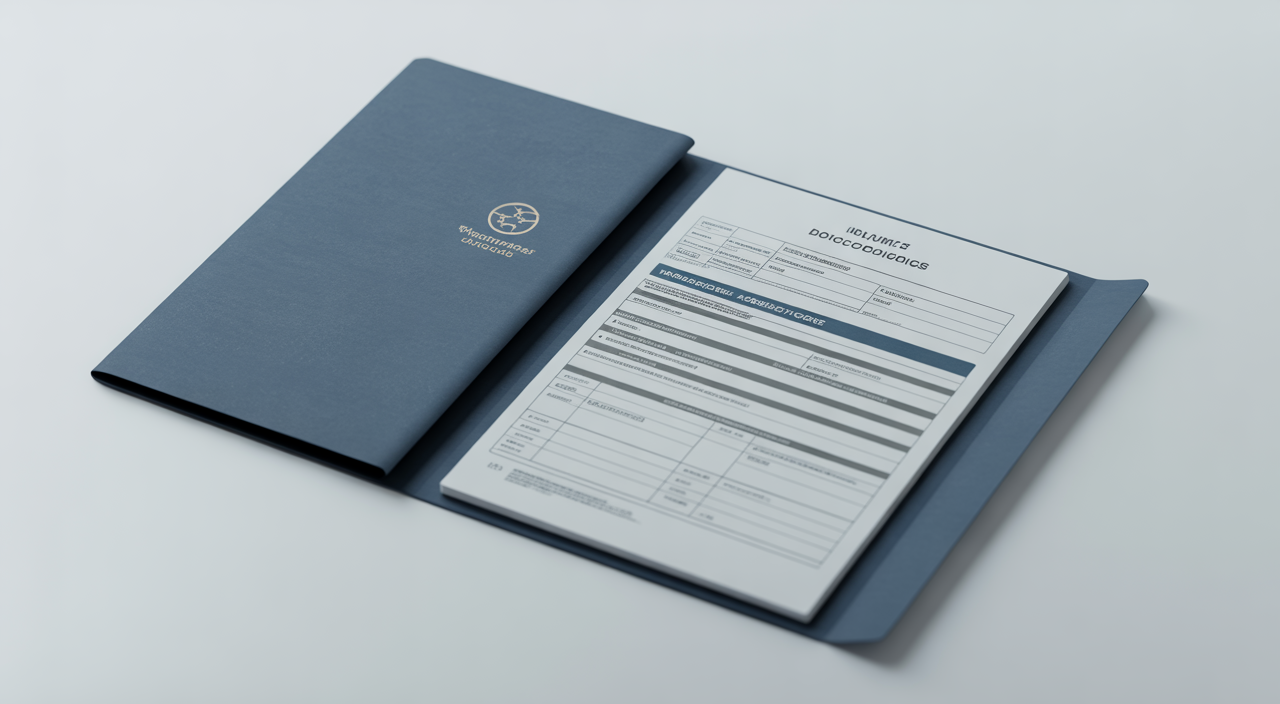
CDSCO grants this approval using Form MD-15, based on your application in Form MD-14. The licence covers specific devices, models, and manufacturers listed in your application.
Is the Import Licence Valid for a Limited Period?
Many people think they must renew the licence every few years. That is not correct. CDSCO import licences are perpetual in nature. However, a retention fee must be paid every five years; failure to do so may lead to suspension or cancellation of the licence.
In simple terms, the licence does not expire automatically, but it must be maintained. Treat the retention fee as a long-term compliance cost, similar to maintaining a good quality system.
Why an Authorized Indian Representative (AIR) Is Essential
If the medical device manufacturer is located outside India, an Authorized Indian Representative is mandatory. The AIR represents the foreign manufacturer before CDSCO and other Indian authorities.
The AIR must hold a valid Drug Wholesale Licence, either 20B/21B or 20BB/21BB. Without this licence, CDSCO may not accept the import application. Choosing a reliable AIR is therefore a critical business decision.
Key responsibilities of the AIR include:
- Liaising with CDSCO for submissions and responses
- Coordinating for queries during the technical review
- Handling post-market surveillance and vigilance reporting
- Supporting field safety corrective actions, if needed
Understanding Device Classification in India
India follows a risk-based classification system for medical devices: Class A, B, C, and D. Class A is low risk; Class D is the highest risk. Your device class decides the documentation depth and sometimes the review time.
For example, blood pressure monitors are generally notified as Class B under CDSCO’s risk-based classification. Implantable devices or life-supporting equipment may fall under Class C or D. Always confirm your device class using CDSCO’s published rules and guidance.
Key Forms in the Import and Manufacturing Process
Using the right forms keeps your application clean and consistent. Here is a quick view:
- Import Licence Application: Form MD-14
- Import Licence Grant: Form MD-15
- Manufacturing Licence (Class A/B): Form MD-3 or MD-5
- Manufacturing Licence (Class C/D): Form MD-7 or MD-9
Each form has clear sections for applicant details, device details, manufacturing site, and declarations. Fill them carefully and double-check before submission.
Essential Standards and Technical Compliance
CDSCO increasingly expects alignment with global standards. Even if not always mandatory in every case, they strengthen your application and market trust.
- ISO 13485 for Quality Management System
- ISO 14971 for Risk Management
- IEC 60601 for electrical safety of medical equipment
- IEC 62304 for software life-cycle processes and SaMD
- Cybersecurity frameworks such as ISO/IEC 27001 or relevant IEC 81001-5-1 requirements
These standards show that the device is designed, produced, and managed with patient safety and data security in mind.
Documents Required for a Medical Device Import Licence
Having a clean document set is the fastest way to avoid delays. Typical documents include:
- Completed Form MD-14
- Free Sale Certificate in English, notarised
- Device master file or technical dossier
- ISO 13485 certificate, if applicable
- AIR appointment letter and Drug Wholesale Licence copy
- Covering letter on company letterhead
- GMP certificate, if domestic manufacturing is involved
The exact list can vary by device class and technology. For complex devices such as advanced diagnostic systems, you may also need clinical data and performance studies.
Typical Timelines for Approval
Timelines should always be presented as an estimate, not a promise. Typically, the import licence process takes 3–6 months. Timelines depend on documentation completeness, CDSCO queries, and device risk class.
A well-prepared application, with clear answers to likely questions, usually moves faster. Higher-risk classes may involve deeper scrutiny and longer review.
Cost Components for Importing Medical Devices
Costs vary with device type, number of models, and professional support used. Below is an indicative range in INR:
Cost Overview (Approximate Ranges)
- CDSCO application fee: 10,000 – 25,000 (varies by device class)
- Retention fee (every 5 years): 5,000 – 15,000 (for perpetual licence maintenance)
- Consultant or service charges: 20,000 – 50,000 (depends on scope of support)
- Translation and notarisation: 2,000 – 8,000 (if documents are not in English)
Treat these as planning numbers, not official fees. Always check the latest CDSCO fee notifications before budgeting.
Common Mistakes to Avoid
Use this simple checklist while preparing your application:
- [ ] Missing AIR Drug Wholesale Licence details
- [ ] Incomplete Form MD-14 fields
- [ ] Not paying the retention fee every five years
- [ ] Promising fixed timelines to customers or partners
- [ ] Making absolute statements on device class without CDSCO reference
Avoiding these points can save you from extra queries and resubmissions, keeping your launch plan on track.
How Professional Support Can Add Value
For many foreign manufacturers and Indian distributors, working with a compliance-focused partner is helpful. A good partner can support end-to-end dossier preparation, AIR appointment, and communication with CDSCO.
Specialists also guide you on QMS, risk management, and cybersecurity documentation. This is particularly valuable for connected devices that need strong data protection. To understand how digital tools can streamline healthcare operations, you can explore this article on improving efficiency with a referring physician portal.
If you are also interested in broader healthcare and wellness topics, you may like this detailed piece on holistic health and wellness center benefits.
FAQs on Medical Device Import Licence in India
Q1: What is a Medical Device Import License in india?
A: It is a perpetual licence granted by CDSCO using Forms MD-14 and MD-15 that authorises the import and sale of specified medical devices in India. A retention fee is payable every five years to keep the licence active.
Q2: How long does it take to get the import licence?
A: Typically 3–6 months. The exact time depends on how complete your dossier is, how quickly you respond to CDSCO queries, and the risk class of your device.
Q3: Who can act as the Authorized Indian Representative (AIR)?
A: A resident entity in India that holds a valid Drug Wholesale Licence, either 20B/21B or 20BB/21BB, and is formally appointed by the foreign manufacturer through an agreement and appointment letter.
Q4: What happens if the retention fee is not paid?
A: If you do not pay the retention fee every five years, CDSCO may suspend or cancel the import licence. This would stop you from importing and selling the listed devices until the issue is resolved.
Q5: Are ISO 13485 and ISO 14971 certificates mandatory?
A: For many regulated devices, evidence of compliance with ISO 13485 and ISO 14971 is expected. For electrical and software-based devices, standards like IEC 60601 and IEC 62304 also apply, along with relevant cybersecurity requirements.