
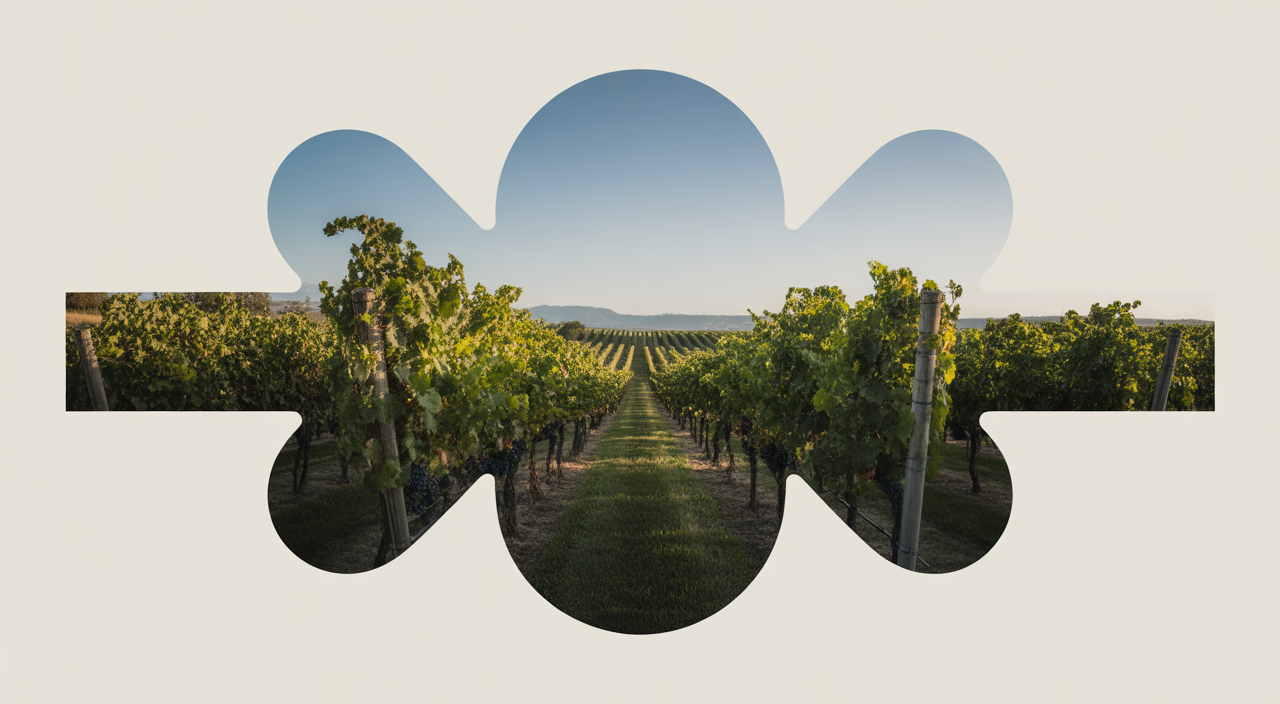
What Makes Wine Tasting Napa Valley So Special?
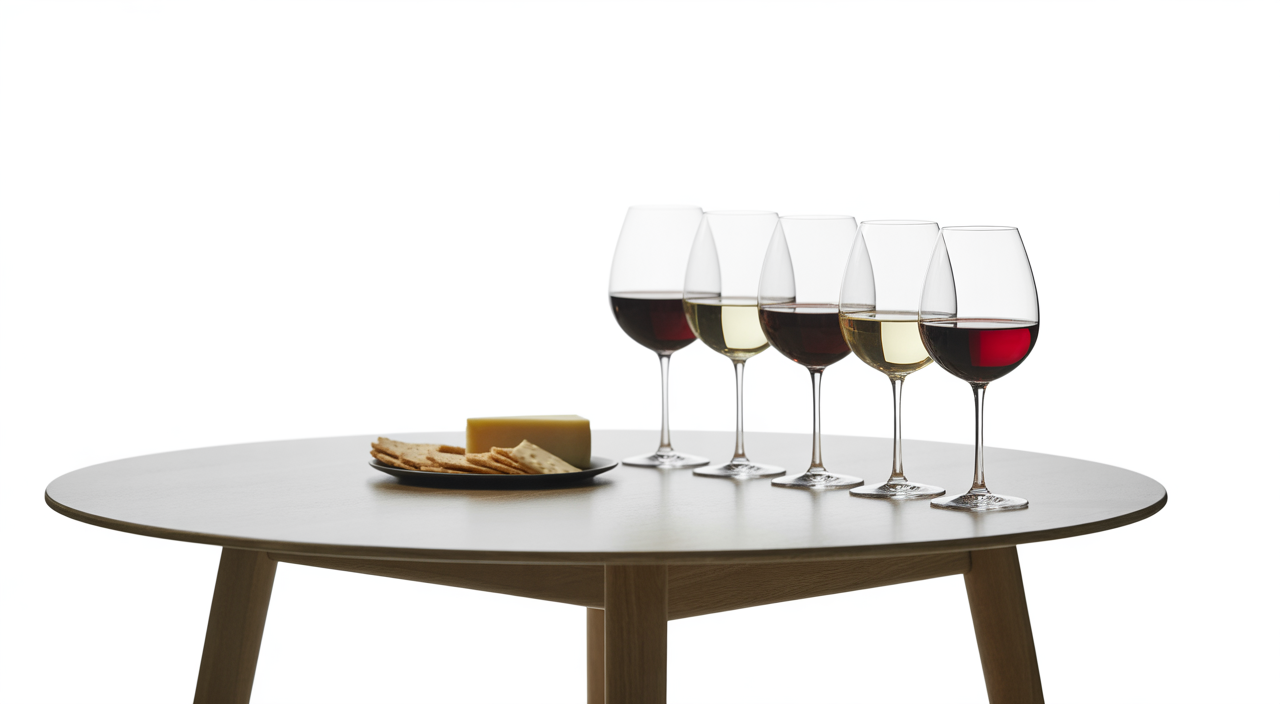
When people think of wine holidays, one phrase comes up again and again: wine tasting Napa Valley. This region in California is known worldwide for its beautiful vineyards, award-winning wines, and relaxed luxury. If you are planning your first trip, one of the best places to start is wine tasting Napa Valley at a family-owned estate with a warm, personal touch.
In this guide, you will learn what makes Napa Valley unique, what to expect at a top estate, how to plan your visit, and simple tips to enjoy every sip. Whether you are a casual wine lover or a serious collector, you can shape your trip to match your budget and style.
You will also find practical answers to common questions about tastings, reservations, and what to bring, so your visit is smooth from the moment you book until the final toast.
Why Napa Valley Stands Out For Wine Lovers
Napa Valley may be a small region, but it has an amazing variety of landscapes and climates. In wine, this is called “terroir,” which simply means how soil, weather, and location affect the taste of the wine. Within a short drive, you move from cooler hillsides to warm valley floors, and each area brings out different flavors in the grapes.
This variety is why Napa Valley produces such a wide range of wines, from bold reds to crisp whites. When you go for wine tasting Napa Valley style, you can try smooth Cabernet, elegant Merlot, bright Sauvignon Blanc, and many more, all in one trip.
The region is also known for its welcoming tasting rooms. Many estates offer seated tastings, outdoor patios overlooking vineyards, and guided flights where a host walks you through each wine step by step.
The O’Brien Estate Experience: More Than Just a Tasting
One of the best ways to enjoy Napa is to spend time at a true estate winery. This means the grapes are grown, harvested, and turned into wine all in one place. It creates a deeper connection between the land and the glass in your hand.
At a quality estate, you usually start with a short walk or tour of the vineyard blocks. You see how the vines grow, learn about sustainable practices, and understand why certain grapes are planted in specific spots. This background makes every sip richer and more meaningful.
Next, you sit down for a guided tasting flight. A “flight” is simply a set of different wines poured side by side. You might taste several vintages of the same variety to see how the years change, or explore a mix of reds and whites to find your personal favorite.
Many estates also offer cheese or small bites to pair with the wines. These pairings help highlight certain flavors, such as how a creamy cheese softens a bold red or how a fresh snack brightens a crisp white.
Planning Your Napa Valley Wine Tasting Trip
For most visitors, the sweetest months are from March to May and September to November. The weather is pleasant, the vineyards are green, and the crowds are easier to manage. Harvest time, usually around September and October, is especially lively, as grapes are being picked and crushed.
Tastings typically require reservations, especially at premium or smaller estates. Standard tastings often range from a modest to a more premium fee per person, depending on the location and type of experience. Private tastings or estate tours cost more but usually include extra attention, rare wines, or special settings.
When booking, read the confirmation carefully. Some wineries offer refunds or credits if you cancel early enough, while others may have stricter policies. If you are arranging a special celebration or a corporate visit, reach out in advance to tailor the experience.
Insider Tips To Taste Like a Pro
You do not need to be an expert to enjoy wine like one. A few simple habits can make your day more fun and memorable. First, start slow and pace yourself. Plan no more than three or four wineries in a day so you are not rushing.
When tasting, follow four easy steps: look, swirl, smell, and sip. Check the color, gently swirl the glass to release aromas, breathe in slowly, then take a small sip and let it coat your mouth. Notice sweetness, acidity (how fresh it feels), and how long the flavors last.
For food, eat a solid breakfast and drink plenty of water. Light snacks between tastings keep your energy steady and your palate fresh. Some estates focus on food and wine pairing, where each wine comes with a small bite. These sessions can be a great learning experience if you enjoy cooking or hosting at home.
What To Wear And Bring
Comfort is key. Many tasting rooms are stylish but relaxed, so smart casual clothing works well. Comfortable shoes are important, as you may walk through vineyards or stand during tours.
Carry a light jacket, sunglasses, and sunscreen. Napa can be sunny in the day and cooler in the evening. A small bag or backpack is useful to hold water, snacks, and any small items you buy.
If you plan to purchase bottles, check if the estate can ship to your home country or state. Many wineries offer safe shipping, which is especially helpful if you are traveling with limited luggage.
Simple Itinerary Ideas For Your Napa Day
For a classic day in Napa, start with a relaxed morning tasting at a scenic estate. Then enjoy a long lunch in town, followed by an afternoon visit to a second winery focused on a different style of wine. This balance gives you time to enjoy each place.
Another option is to spend most of your day at one or two estates that offer tours, tastings, and food pairings on-site. This slower pace works well for couples, small groups, or anyone who wants a calmer, more immersive experience.
If you are curious about wine country in other parts of the world, you can also read about luxury wine country tourism and elegant experiences to compare different regions and styles.
Frequently Asked Questions About Napa Valley Wine Tasting
Q1. Do I really need reservations for tastings?
Yes, it is a very good idea to book in advance. Many estates limit the number of guests so they can give personal attention and keep the setting calm. Weekend and holiday slots can fill quickly, so try to plan at least a few weeks ahead.
Q2. How many wineries should I visit in one day?
For a relaxed and enjoyable experience, plan for two or three tastings per day. This gives you time to enjoy each flight, talk with your host, take photos, and travel safely between locations without feeling rushed.
Q3. Can I buy bottles on-site and join a wine club?
Most estates offer bottles and even special library wines that are only sold at the property. Many also have wine clubs, where members receive regular shipments and invitations to special events. These clubs are a great way to keep a connection with your favorite winery all year round.
Q4. What if I am new to wine and do not know what I like?
That is completely fine. Hosts at Napa tasting rooms are used to guiding beginners. Just share what you usually enjoy in drinks or food, and they can suggest wines that match your taste. Over time, you will naturally discover the styles and grapes you love most.
For more travel and lifestyle planning ideas, you can also explore guides to wine museums and cultural wine tours, which add a deeper learning element to your wine journey.