
Why Do So Many Patients Say Aspen Dental Has a Bad Reputation?
When people search for Aspen Dental online, a noticeable number are not looking for locations or services. They are trying to understand why the brand is associated with so many negative experiences. This question does not appear randomly. It shows up because similar complaints surface repeatedly across review platforms, consumer forums, and public records.
Rather than focusing on whether every complaint is justified, it is more useful to look at the recurring reasons patients themselves give for feeling dissatisfied. These patterns explain why the reputation question continues to rank.
Here Are the Reasons Why Aspen Dental Has a Bad Reputation
- High-pressure treatment plans during early visits
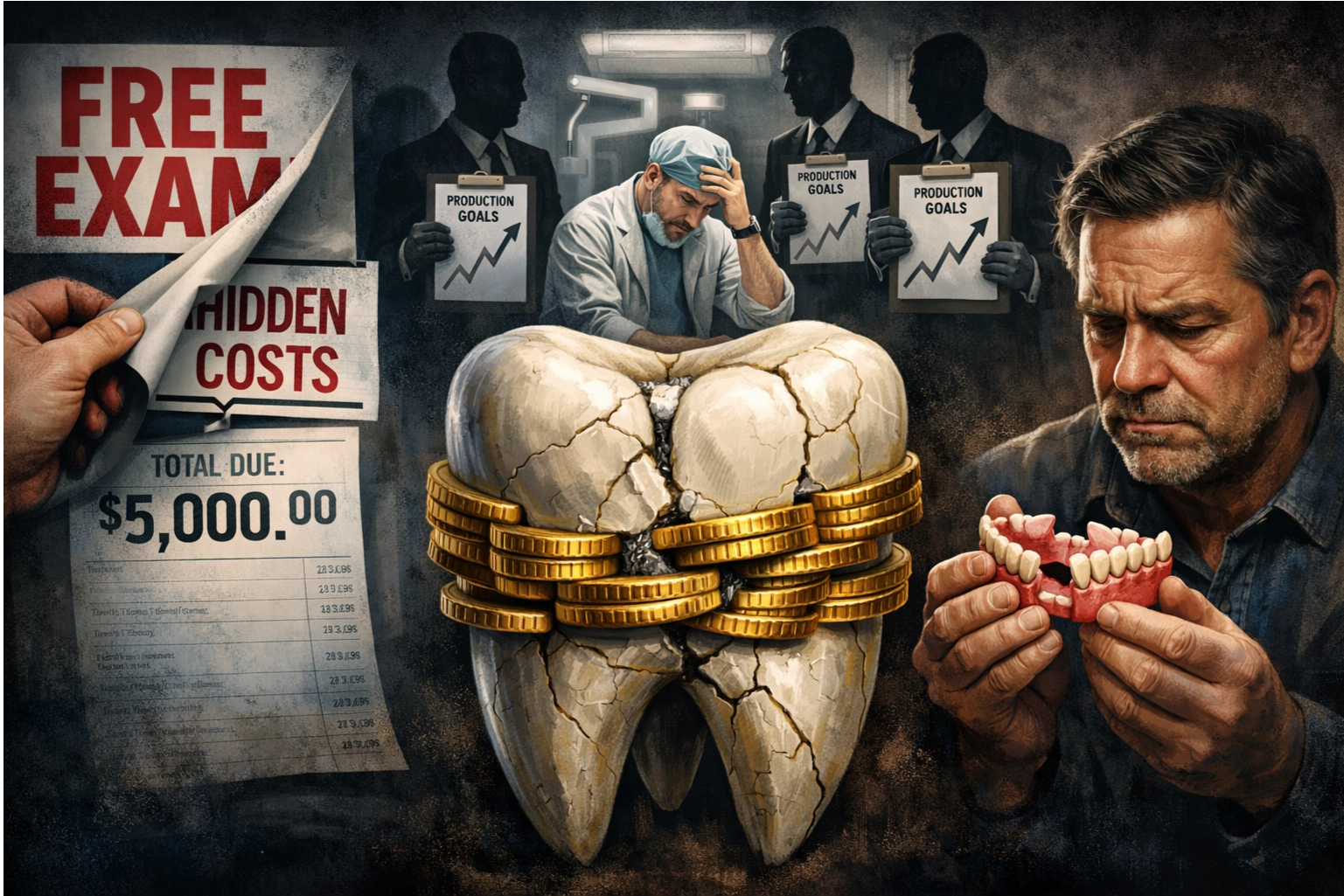
Many patients report visiting for routine exams or cleanings and being presented with large, multi-thousand-dollar treatment plans on the same day. The speed of these recommendations often leaves patients feeling rushed or pressured to decide immediately. Even when treatment may be clinically appropriate, the lack of time to reflect or seek alternatives contributes to distrust. - Corporate business model influencing patient experience
Aspen Dental operates under a large corporate structure rather than as independent practices. Critics, including former employees, have stated that performance targets and production goals can influence how treatment plans are presented. For patients, this can feel less like personalized healthcare and more like a sales-oriented interaction, which clashes with expectations of medical care. - Confusion around “free” exams and promotional offers
A common source of frustration involves advertising that emphasizes free or low-cost exams. Patients often report that while the initial visit may be promoted as free, additional services such as X-rays or diagnostics result in unexpected charges. Even when disclosed in paperwork, the mismatch between expectations and final costs frequently leads to negative reviews. - Insurance expectations not matching final bills
Dental insurance is complex, and many patients misunderstand coverage limits. However, reviews frequently describe situations where patients believed certain services were covered, only to receive bills later. When insurance discussions are unclear or overly optimistic, patients tend to place responsibility on the provider rather than the insurer. - Concerns about unnecessary or exaggerated procedures
Some patients report being diagnosed with extensive dental problems such as advanced gum disease or multiple cavities, then receiving second opinions from independent dentists that contradicted those findings. These experiences are particularly damaging to trust because they raise doubts about whether recommendations are medically driven or financially motivated. - Billing disputes and refund difficulties
Another recurring complaint involves being charged in advance for procedures and then struggling to obtain refunds when treatments are delayed, canceled, or left unfinished. Administrative friction often escalates frustration long after the dental visit itself, making billing issues a lasting source of resentment. - Inconsistent quality and continuity of care
Reviews commonly mention long wait times, poorly fitting dentures, or having to see different dentists across visits. High provider turnover can disrupt continuity of care and weaken patient confidence. When patients feel their concerns are repeatedly re-explained without resolution, satisfaction declines quickly. - Follow-up and post-procedure communication problems
Patients frequently describe difficulty reaching offices after procedures, delayed responses to pain or complications, or unclear aftercare instructions. Poor follow-up tends to amplify negative experiences, especially when patients feel unsupported during recovery. - Data privacy and trust concerns
Public reporting around data privacy issues has also contributed to skepticism. Allegations involving the handling of patient information, even when resolved through settlements, reinforce broader concerns about corporate oversight and patient-first priorities.
Why These Issues Shape Public Perception
The reputation surrounding Aspen Dental is not driven by a single incident or location. It is shaped by repeated themes that appear across different states, offices, and years. While many patients report neutral or positive experiences, negative patterns stand out because they involve trust, cost transparency, and healthcare decision-making.
When enough people report similar concerns, future patients notice. That accumulation of shared experiences is why the reputation question persists and continues to attract attention online.